HOW AMERICA GATHERS · THE WARM KITCHEN · SLOW COOKER

SLOW COOKER · POT ROAST

Slow Cooker Pot Roast — The Cut Is the Recipe

Pot roast is a chemistry problem with a long, forgiving answer. Chuck is packed with collagen, and collagen only turns to gelatin after hours of low wet heat. Rush it and the meat is dry. Wait it out and the same cut goes silky.

The Cut — beef chuck, for the collagenThe Chemistry — collagen becomes gelatin slowly, above 160°FThe Method — sear, then eight hours untouchedThe Payoff — meat that shreds under a fork
A slow-cooked beef chuck roast on a white platter with carrots, baby potatoes, thyme and rosemary.

The cut is the recipe

Chuck comes from the shoulder, a muscle group that works hard and is laced with connective tissue. Raw, that tissue is tough. Held above roughly 160°F for several hours in a wet environment, it breaks down into gelatin, which coats the muscle fibers and gives braised beef its particular richness. A lean cut like round has little collagen to convert, which is why it leaves the same pot dry and stringy.

So the expensive roast is the wrong roast. Chuck is cheap because it is tough, and it is tough because it carries the one thing this method needs.

Sear it, then leave it alone

A slow cooker cannot brown. It sits below the boiling point in a sealed humid box, and the dark crust that carries most of the roasted flavor forms well above that, on a dry surface. Fifteen minutes in a hot skillet is the difference between beef that tastes braised and beef that tastes boiled.

Pat the chuck dry, salt it, and sear every side hard in a little oil. Take the roast out, drop the onions into the same pan, and deglaze with stock or red wine, scraping the browned bits loose. That liquid goes into the crock with the meat. Then the lid goes on and stays on. Every lift costs roughly twenty minutes of recovered heat, one of several habits that decide whether a slow cooker dish tastes seasoned.

What goes in when

Bay leaves, whole peppercorns, thyme, and rosemary go in at the start, where six to eight hours suits them. Potatoes and carrots want the bottom of the crock, under the meat, where it runs hottest, and they hold up for the full cook if you cut them large. Cut them small and you will find mush.

Garlic powder, onion powder, and anything you want to smell go in near the end. Pull the roast out at the finish, let it rest, and skim the fat off the liquid before you thicken it into gravy. If the stew version appeals more, it is the same cut cubed.
Cook It Right

Buy chuck, and buy it thick. A three to four pound boneless chuck roast is the target. Skip round and sirloin tip; they lack the collagen this method converts.

Sear in a hot dry pan. Pat the surface dry first, because wet meat steams instead of browning. Get a real crust on every side.

Go light on liquid. A cup to a cup and a half is plenty for a covered roast. The onions and the meat will add more as they go.

Low, not high. Eight hours on low beats four on high. High cooks the muscle fibers faster than the connective tissue breaks down, which is how a roast ends up both overdone and tough.

Make the gravy from the pot. Skim the fat, bring the liquid to a simmer in a saucepan, whisk in a slurry of cornstarch and cold water. Correct the salt and pepper there, at the end.

Chuck, a closed lid, and an afternoon you spend somewhere else.

Shop the Chapter

The Badia shelf behind this table — add it all in one tap.

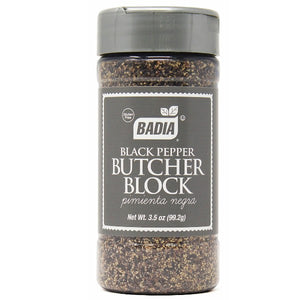
Butcher Block Black Pepper — the coarse grind for a crust
Butcher Block Black Pepper — the coarse grind for a crust $4.84
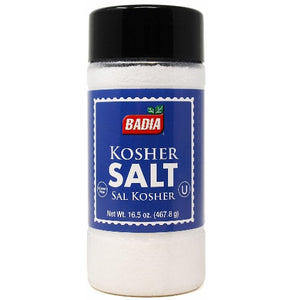
Kosher Salt — for the sear, before it goes in
Kosher Salt — for the sear, before it goes in $4.55
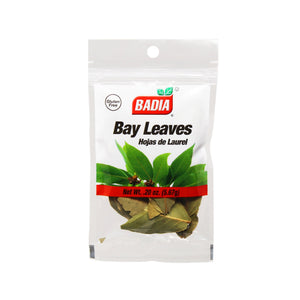
Whole Bay Leaves — straight into the liquid
Whole Bay Leaves — straight into the liquid $1.36
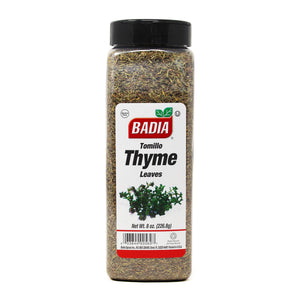
Whole Thyme — the classic pot roast herb
Whole Thyme — the classic pot roast herb $7.69
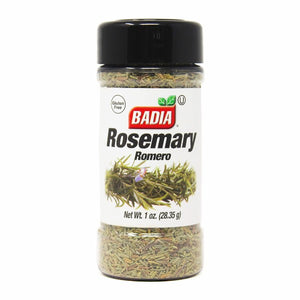
Rosemary — pairs with beef better than anything
Rosemary — pairs with beef better than anything $2.60
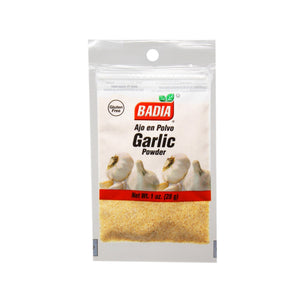
Garlic Powder — stirred in near the finish
Garlic Powder — stirred in near the finish $1.17

Good to know

What cut of beef is best for slow cooker pot roast?

Beef chuck is the best cut for slow cooker pot roast. It comes from the shoulder and is high in collagen, which converts to gelatin over six to eight hours of low, moist heat and gives braised beef its tenderness and body. Leaner cuts such as round or sirloin tip have far less collagen and turn out dry and stringy.

Why is my slow cooker pot roast tough?

Usually because it needs more time, not less. Collagen converts slowly, and a roast pulled at hour four is often tougher than the same roast at hour eight. Using a lean cut instead of chuck will also do it.

Should you cook pot roast on high or low?

Low. Eight hours on low converts collagen more completely than four on high, which cooks muscle fiber faster than connective tissue can break down.

Do you have to sear a roast before slow cooking?

Not for safety, but for flavor it is the most valuable ten minutes in the recipe. A slow cooker stays below boiling and cannot brown meat.

How much liquid do you put in a slow cooker pot roast?

About one to one and a half cups. Nothing evaporates under the lid, and the meat and onions release plenty of their own.