Stew is a pot roast in pieces
Same cut, same chemistry, same eight hours. Cube the chuck into pieces about an inch and a half across and you are running the pot roast recipe with more surface area. That extra surface is the whole difference. It releases more moisture, it takes on seasoning faster, and it shreds sooner if you cut it too small.
Resist the urge to dice. Large cubes hold their shape across a long cook and still come out tender. Small ones dissolve into the sauce, which is fine in a ragù and disappointing in a stew.
The watery pot
A stovetop stew reduces for two hours and concentrates as it goes. A slow cooker does the reverse. The lid traps steam, the steam condenses on the underside, and it drips straight back in. Meanwhile the beef, onions, and carrots all give up water of their own. Follow a converted stovetop recipe literally and you will land with roughly twice the liquid you wanted.
Start with about half. The ingredients should sit partly submerged rather than covered, and the level will rise on its own by the end. If it still looks thin at the finish, that is what the last thirty minutes are for.
Vegetables and the last half hour
Root vegetables go at the bottom, cut large. Potatoes and carrots survive eight hours in chunks; sliced thin they turn to paste. Peas, corn, and anything green belong in the final fifteen minutes, or they give up both color and texture.
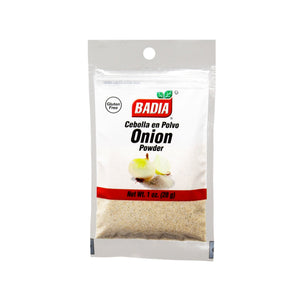
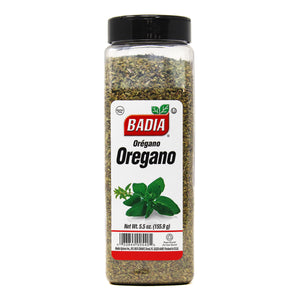
The last thirty minutes is also when the stew gets its flavor back. Stir in smoked paprika, onion powder, and oregano, whisk a slurry of cornstarch and cold water into the pot, and leave the lid off so it can set. Taste and correct the salt there, once the liquid has found its final concentration. The timing rule behind all of this applies to anything you cook this way.