

Hispanic Heritage · Puerto Rico
Oeste
Mayagüez · Cabo Rojo · Boquerón · Joyuda · Rincón · Aguadilla
Explore this kitchen on the animated map ↗
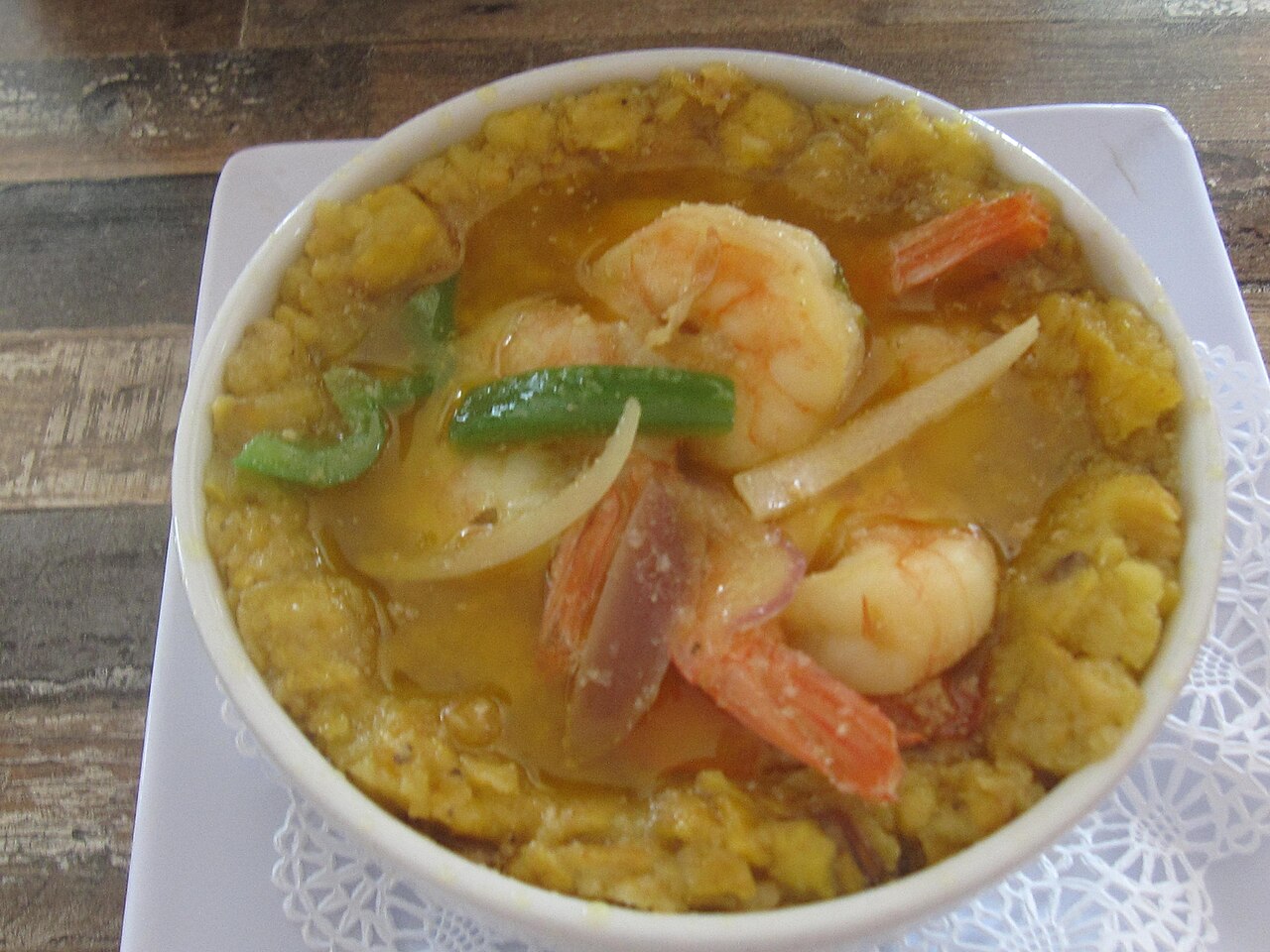
Mofongo relleno de camarones al ajillo
Descubre
The west coast’s seafood cooking meets plantain in mofongo relleno de camarones al ajillo. Garlic-seasoned shrimp fill a mound of mashed fried green plantain, bringing together two textures that make the dish distinctive.
La Gente
Mash the plantain while it is warm and add moisture as directed. Prepare the shrimp near the end so they stay tender. The useful skill is coordinating both parts so the mofongo reaches the table soft inside and full of flavor.
Sabor
The west cooks with the sea and the garlic. It is less tomato than the south, less pork than the mountains, and more oil, more lime, more shellfish. The plantain does its work here too, pounded into mofongo and filled with whatever the boat brought in.
Spice DNA · Herb medium · Acid medium · Heat medium · Smoke none · Sweet none
Seasonings to explore
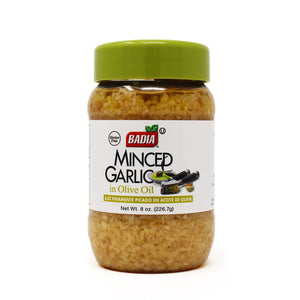
- Minced Garlic in Olive Oil. The whole page could be this jar.
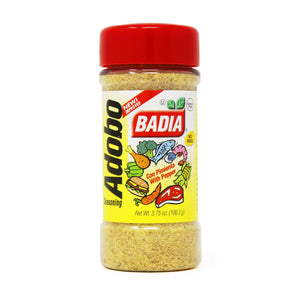
- Adobo with Pepper. On the shrimp before the pan, and in the mofongo.
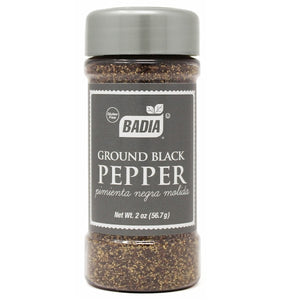
- Black Pepper, ground. Over the shrimp at the end.
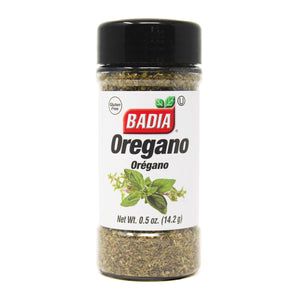
- Oregano, whole. A pinch in the oil, not more.
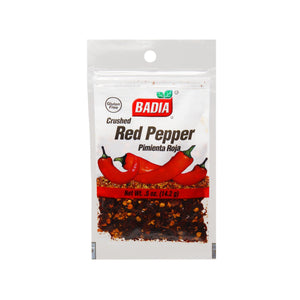
- Crushed Red Pepper. The west likes a little heat with its shellfish.
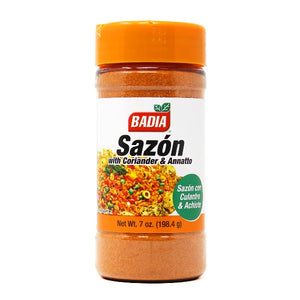
- Sazón with Coriander and Annatto. If there is rice on the plate, and there is always rice on the plate.
From your market: a pound and a half of large shrimp, green plantains, a bag of chicharrones, limes, a good olive oil, and bread for the end. Badia does not sell the shrimp. Buy them shell-on if you can, and peel them yourself. The shells go in the oil first.
Cocina
Mofongo relleno de camarones al ajillo
Mashed fried green plantain, filled with garlic shrimp. This is what the west coast eats when it wants to show off, and it is not as hard as it looks in the restaurant.
Serves 4
The mofongo
- 4 green plantains
- 1 heaping tbsp Badia Minced Garlic in Olive Oil, or 4 garlic cloves
- 3 tbsp olive oil
- 1 cup chicharrones, crushed
- 1 tsp Badia Adobo with Pepper
- Oil for frying
The shrimp
- 1½ lb large shrimp, peeled, shells saved
- ⅓ cup olive oil
- 3 tbsp Badia Minced Garlic in Olive Oil, or 8 garlic cloves, thinly sliced
- 1 tsp Badia Adobo with Pepper
- ½ tsp Badia Oregano, whole, crumbled
- ½ tsp Badia Crushed Red Pepper
- ½ tsp Badia Black Pepper, ground
- Juice of 1 lime
- A handful of chopped cilantro or parsley
- Crusty bread
- Start the oil. In a wide skillet, warm the ⅓ cup olive oil over low heat with the shrimp shells. Let them go 8 to 10 minutes until the oil turns faintly orange and smells like the sea. Fish out the shells and discard them. This step is why restaurant ajillo tastes the way it does.
- Fry the plantains. Peel the green plantains and cut them into 1-inch rounds. Fry in 350°F oil until golden and cooked through, 5 to 7 minutes. They should be soft inside, not crisp. Drain.
- Mash. In a pilón or a sturdy bowl with the end of a rolling pin, mash the garlic and olive oil into a paste. Add the hot plantains a few at a time with the adobo and chicharrones and pound until it holds together but still has texture. Do not make it smooth. Press into four small bowls or cups and turn each out onto a plate, then make a well in the top with a spoon. Keep warm.
- The shrimp. Bring the shrimp oil back to medium. Add the sliced garlic and cook until it is just turning gold at the edges, about 2 minutes. Add oregano and crushed red pepper. Add the shrimp in a single layer with the adobo and black pepper, and cook 2 minutes per side, until they curl and go pink.
- Finish. Off the heat, add the lime juice and the cilantro. Spoon the shrimp and all of the oil into the wells in the mofongo, letting it run down the sides.
- Bread on the table. Whatever oil is left in the pan goes onto the bread.
In Joyuda they serve this looking out at the water. At home, the water is optional. The bread is not.
Pueblos del Oeste
Mayagüez · Cabo Rojo · Boquerón · Joyuda · Rincón · Aguadilla · Aguada · Añasco · Hormigueros · San Germán · Lajas · La Parguera · Isabela · Moca · San Sebastián · Las Marías · Maricao
Shop the recipes
Choose the jars you need. Fresh ingredients are separate; check your pantry before adding the full selection.

One of each available item shown. Review your cart before checkout.