

Hispanic Heritage · Guatemala
El Caribe
Livingston · Puerto Barrios · Santo Tomás de Castilla · Río Dulce · Fronteras · El Estor
Explore this kitchen on the animated map ↗
Tapado
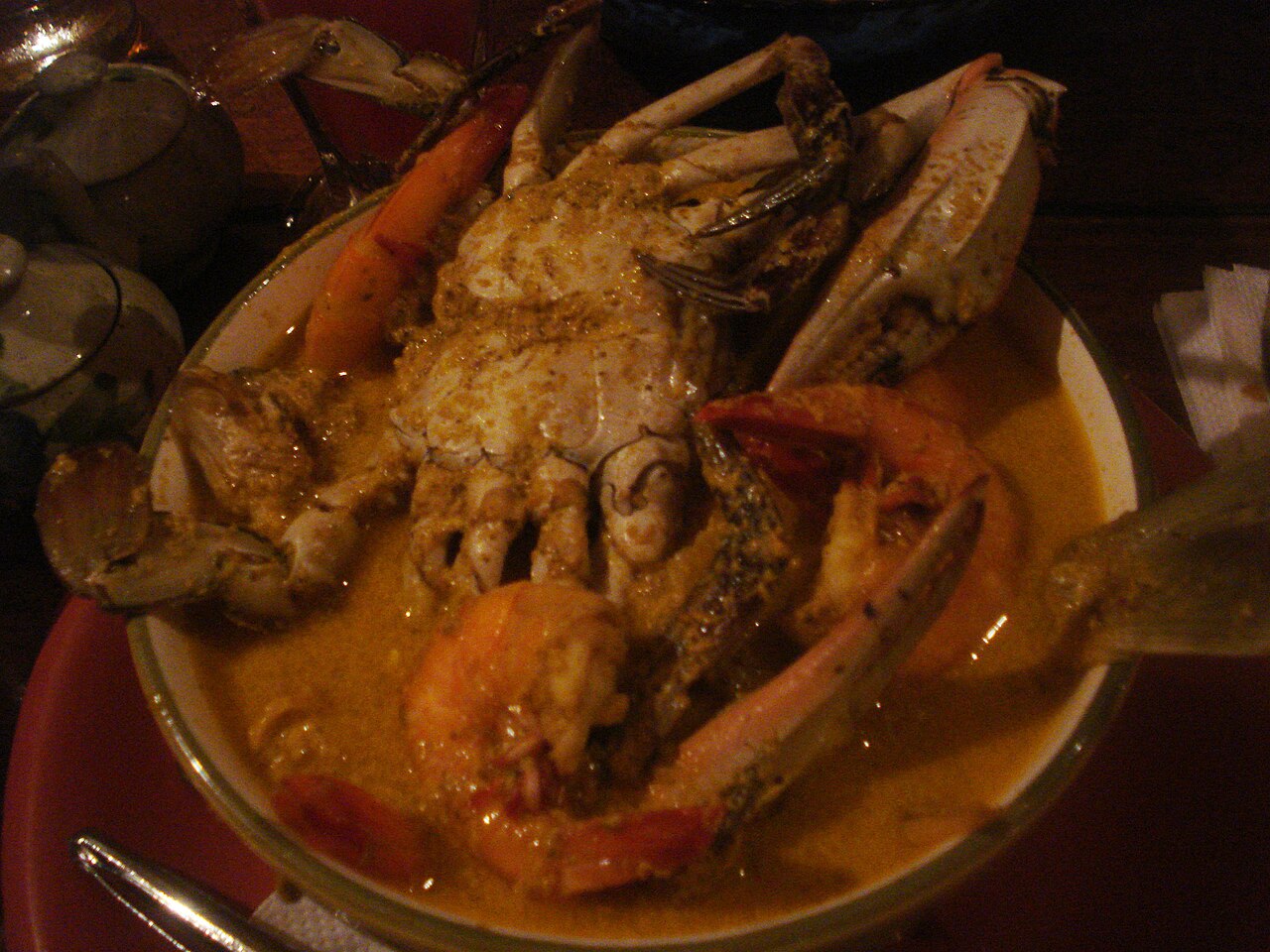
Descubre
On Guatemala’s Caribbean coast, tapado brings fish, coconut milk, plantain, and roots into one pot. It offers an entry into the coastal cooking of communities around Livingston and Puerto Barrios, including Garifuna food traditions.
La Gente
The ingredients finish at different speeds. Let the roots soften before adding delicate seafood, and keep the coconut broth at a gentle simmer. The result is a meal whose richness comes as much from the ingredients as from the seasoning.
Sabor
The Caribbean coast cooks in coconut and green plantain, with garlic, cilantro, and culantro for the seasoning and the sea for the salt. It is gentle, rich, and clean, with the heat kept to the side. Warm spices appear only in the gifiti.
Spice DNA · Sweet medium · Herb high · Smoke none · Heat low · Acid medium
Seasonings to explore
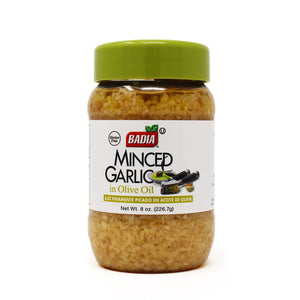
- Minced Garlic in Olive Oil. In the broth with the onion. Adds a savory garlic base.
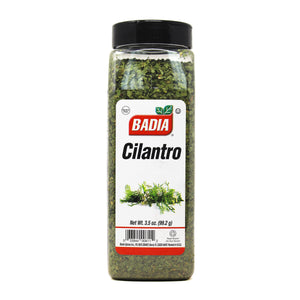
- Cilantro flakes. For the day there is no fresh. Fresh cilantro and culantro are what the coast uses.
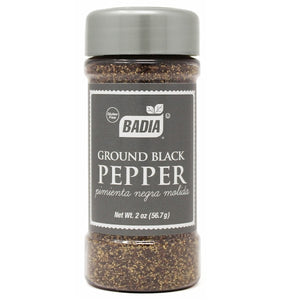
- Black Pepper, ground. On the fish before it goes in.
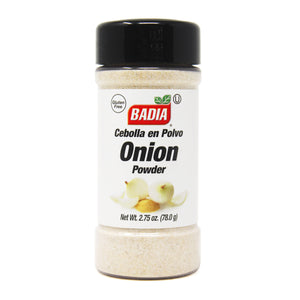
- Onion Powder. With the fresh onion.
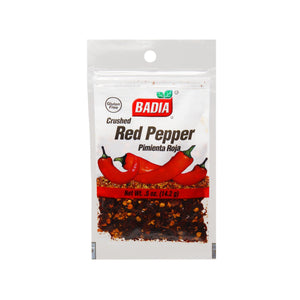
- Crushed Red Pepper. For the chile on the side.
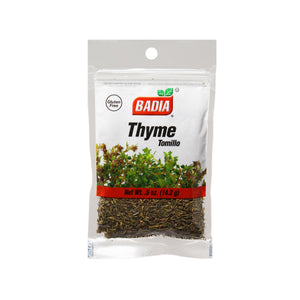
- Thyme leaves. A pinch, which some Livingston kitchens do and which came in with the English words.
From your market: a whole red snapper or two smaller fish with their heads, a pound of shrimp in the shell, crab if you can get it, green plantains and green bananas, two cans of full-fat coconut milk or two fresh coconuts, yuca, limes, and fresh cilantro and culantro. Badia does not sell the coconut. Livingston presses its own and would tell you the can is a compromise. It is a good compromise.
Cocina
Tapado
The Garífuna seafood soup of Livingston, in coconut milk, thickened with green plantain. Broth from the heads first. Fish in last.
Serves 6
- 1 whole red snapper, 2 to 3 lb, filleted, head and bones kept
- 1 lb shrimp, shell on
- 8 cups water
- 3 tbsp oil
- 1 onion, chopped
- 2 tbsp Badia Minced Garlic in Olive Oil, or 5 garlic cloves minced
- ½ tsp Badia Onion Powder
- 1 green bell pepper, chopped
- ½ tsp Badia Black Pepper, ground
- Pinch of Badia Thyme leaves, optional
- 2 green plantains, peeled and sliced in rounds
- 2 green bananas, peeled and sliced
- 1 lb yuca, peeled and cut in chunks
- 2 cans (13.5 oz each) full-fat coconut milk
- Salt
- ½ cup cilantro, chopped, plus culantro if you have it
- Limes
- Crab or clams, optional, and welcome
- The broth. Simmer the fish head and bones with the shrimp shells in the water for 25 minutes. Strain. You should have about 6 cups of broth that smells like the bay.
- The base. Warm the oil in a deep pot. Cook the onion with the garlic, onion powder, and bell pepper until soft. Add the pepper and thyme if using.
- Plantain and yuca. Add the plantains, bananas, and yuca. Pour in the broth. Simmer 20 to 25 minutes, until the yuca is tender and the plantain has begun to thicken the pot.
- Coconut. Add the coconut milk. Bring back to a gentle simmer. Do not boil it hard; coconut milk splits. Salt.
- The sea. Salt and pepper the fish fillets and cut them in large pieces. Add the crab or clams if using and cook 5 minutes. Add the shrimp and cook 2 minutes. Add the fish and cook 3 to 4 minutes, until it just flakes. Do not stir once the fish is in. Shake the pot.
- Finish. Cilantro and culantro over the top. Lime at the table, and chile on the side.
- Serve in deep bowls with coconut rice or a piece of ereba if a Garífuna market is near you. The drums are optional. In Livingston they are not.
Pueblos del Caribe
Livingston · Puerto Barrios · Santo Tomás de Castilla · Río Dulce · Fronteras · El Estor · Morales · Los Amates · Quiriguá
Shop the recipes
Choose the jars you need. Fresh ingredients are separate; check your pantry before adding the full selection.

One of each available item shown. Review your cart before checkout.