

Hispanic Heritage · República Dominicana
El Este
Samaná · Las Terrenas · Sánchez · Las Galeras · San Pedro de Macorís · La Romana
Explore this kitchen on the animated map ↗
Pescado con coco al estilo Samaná
Descubre
Samaná’s pescado con coco brings fish and coconut milk together with tomato, garlic, and herbs. This coastal chapter explores a sauce whose gentle richness provides a different perspective on Dominican cooking.
La Gente
Build the sauce first, then lower in the fish so it cooks without breaking apart. Finish with fresh herbs and serve with rice. The recipe rewards a light hand at the stove and a careful taste before it reaches the table.
Sabor
The east cooks in coconut milk. It is a gentle kitchen next to the Cibao's oregano and the south's chile: coconut, garlic, a little oregano, tomato for color, cilantro at the end, and fish that was swimming that morning.
Spice DNA · Sweet medium · Herb medium · Acid low · Heat low · Smoke none
Seasonings to explore
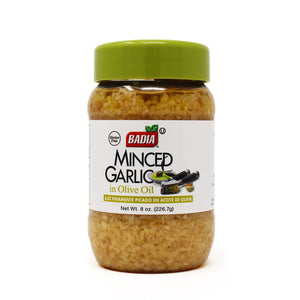
- Minced Garlic in Olive Oil. The first thing in the pan.
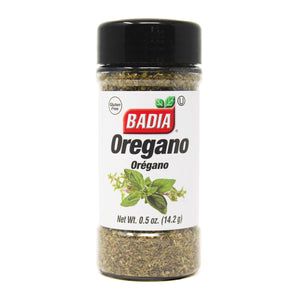
- Oregano, whole. Lightly. The coconut does the talking.
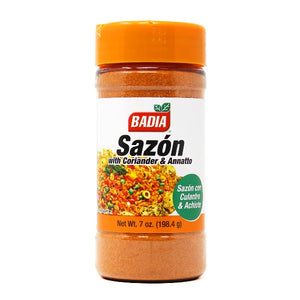
- Sazón with Coriander and Annatto. For the orange the sauce is known for.
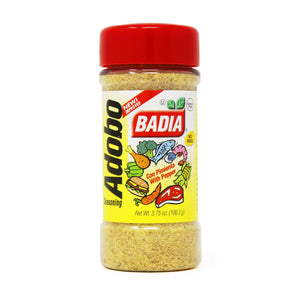
- Adobo with Pepper. On the fish before it goes in.
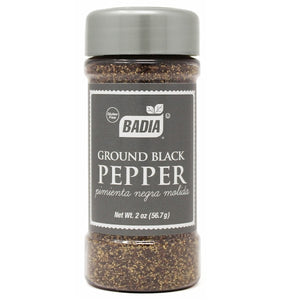
- Black Pepper, ground. At the end.
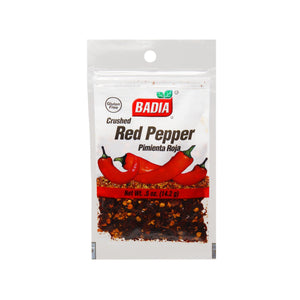
- Crushed Red Pepper. Optional. Some Samaná cooks use a whole chile; most do not.
From your market: two pounds of a firm white fish, whole or in thick pieces (red snapper, grouper, or sea bass), a can of full-fat coconut milk or a fresh coconut if you have the patience, tomato paste, an onion, ajíes or a bell pepper, limes, and cilantro. Badia does not sell the coconut. Fresh milk is better and everyone in Samaná will say so.
Cocina
Pescado con coco al estilo Samaná
Fish poached in a coconut milk sauce colored with annatto. Serve it with moro de guandules made with more coconut, and there is no such thing as too much.
Serves 4
- 2 lb red snapper or grouper, whole and cleaned, or thick steaks
- Juice of 2 limes
- 1½ tsp Badia Adobo with Pepper
- 3 tbsp oil
- 1 onion, sliced
- 2 ajíes cubanela or 1 red bell pepper, sliced
- 1½ tbsp Badia Minced Garlic in Olive Oil, or 4 garlic cloves crushed
- 2 tbsp tomato paste
- 1 tsp Badia Sazón with Coriander and Annatto
- ½ tsp Badia Oregano, whole, crumbled
- 1 can (13.5 oz) full-fat coconut milk
- ½ cup water
- Salt
- ½ tsp Badia Black Pepper, ground
- ¼ cup cilantro, chopped
- Season the fish. Rub the fish with lime juice and adobo, inside and out if it is whole. Let it sit 20 minutes.
- Sofrito. Warm the oil in a wide pan over medium. Cook the onion and ajíes until soft, 5 minutes. Add the garlic and cook a minute more. Add the tomato paste, sazón, and oregano and stir until the paste darkens and the oil turns orange.
- The sauce. Pour in the coconut milk and the water and bring to a gentle simmer. Let it cook 5 minutes so the flavors meet and the sauce thickens slightly. Taste for salt.
- Poach the fish. Lower the fish into the sauce. Spoon sauce over the top. Cover and simmer gently, never boiling, 12 to 15 minutes for a whole fish or 8 to 10 for steaks, until the flesh flakes at the thickest point. Do not turn a whole fish. Baste it.
- Finish. Black pepper and cilantro over the top. Let it sit 5 minutes off the heat.
- Serve with moro de guandules con coco, or white rice if that is what you have, and tostones. The sauce is the reason for the rice.
Pueblos del Este
Samaná · Las Terrenas · Sánchez · Las Galeras · San Pedro de Macorís · La Romana · Higüey · Punta Cana · Bávaro · El Seibo · Hato Mayor · Miches · Bayahíbe · Consuelo
Shop the recipes
Choose the jars you need. Fresh ingredients are separate; check your pantry before adding the full selection.
One of each available item shown. Review your cart before checkout.