

Hispanic Heritage · Chile
Santiago y el Valle Central
Santiago · Providencia · Ñuñoa · Maipú · Puente Alto · La Florida
Explore this kitchen on the animated map ↗
Pastel de choclo

Descubre
Chile’s pastel de choclo puts a golden corn topping over a savory filling of meat and onion. This central-valley kitchen explores the meeting of corn’s sweetness with cumin, herbs, and the rich pino underneath.
La Gente
Prepare the filling and corn mixture separately, then assemble and bake. The topping should set while retaining its softness, with color developing on the surface. Serve by the spoonful so both layers reach each plate.
Sabor
The Valle Central cooks gentle and sweet-savory. Cumin and ají de color, the sweet paprika Chile uses for warmth and color, run under the pino. Oregano and basil are the herbs. Heat is a choice made at the table with the pebre or a spoon of ají chileno; it is never forced on the dish. And merkén, the smoked chile and coriander of the Mapuche, waits in the south for anyone who wants more.
Spice DNA · Sweet medium · Herb medium · Smoke low · Heat low · Acid low
Seasonings to explore
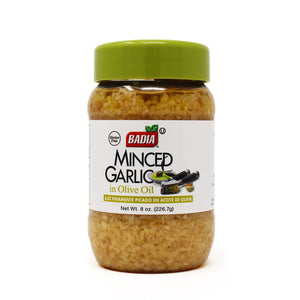
- Minced Garlic in Olive Oil. In the pino. Adds a savory garlic base.
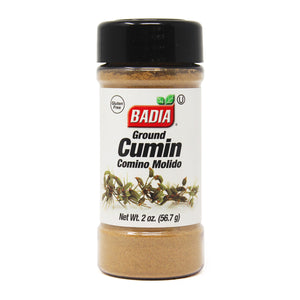
- Cumin, ground. The pino's spice. Chile's cumin hand is lighter than Mexico's and heavier than Argentina's.
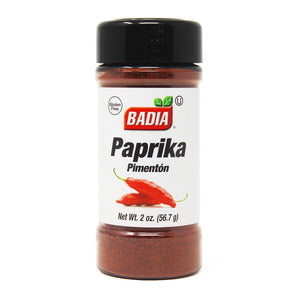
- Paprika. Ají de color, the sweet paprika in the pino and on top of the cazuela.
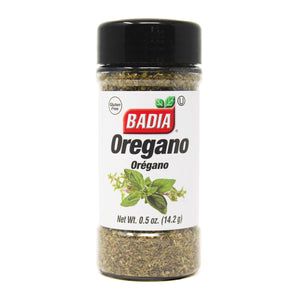
- Oregano, whole. In the pino.
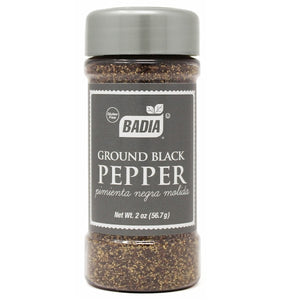
- Black Pepper, ground. In the pino and the pebre.
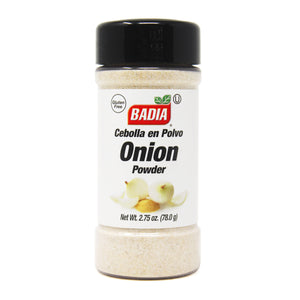
- Onion Powder. With the fresh onion, which there is a great deal of.
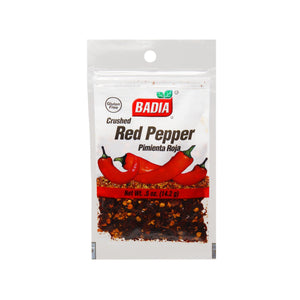
- Crushed Red Pepper. For the pebre, if the ají is not fresh.
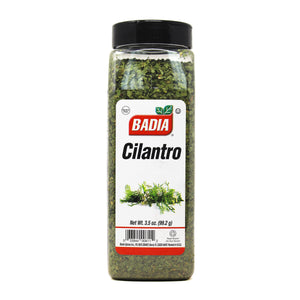
- Cilantro flakes. For the pebre on the day the fresh is gone, which for a Chilean is a bad day.
From your market: ground beef, a great deal of onion, chicken thighs, eggs, black olives, raisins, fresh basil, corn (fresh in summer, frozen the rest of the year, which is what most Chileans use), milk, sugar, tomatoes, and cilantro. A paila de greda from Pomaire if you can find one; any baking dish if you cannot. Badia does not sell merkén. Smoked paprika with a little crushed chile is a distant cousin, and the page says so.
Cocina
Pastel de choclo
Pino under a blanket of corn, sugar on top, baked until it blisters. The Chilean plate of the Fiestas Patrias and any Sunday in the valley.
Serves 6
The pino
- 3 tbsp oil
- 3 large onions, finely chopped
- 1 tbsp Badia Minced Garlic in Olive Oil, or 3 garlic cloves minced
- ½ tsp Badia Onion Powder
- 1 lb ground beef
- 1½ tsp Badia Cumin, ground
- 1 tsp Badia Paprika
- ½ tsp Badia Oregano, whole
- ½ tsp Badia Black Pepper, ground
- Salt
- ¼ cup raisins
- 12 black olives
- 3 hard-boiled eggs, quartered
- 6 chicken thighs, browned in a little oil and seasoned with salt
The corn
- 6 cups corn kernels, fresh or thawed
- 8 fresh basil leaves
- ¾ cup milk
- 2 tbsp butter
- Salt
- 2 tbsp sugar, for the top
Pebre
- 3 tomatoes, finely diced
- 1 onion, finely diced and rinsed
- ½ cup cilantro, chopped, or 2 tbsp Badia Cilantro flakes
- 1 fresh ají or ½ tsp Badia Crushed Red Pepper
- 3 tbsp oil, 2 tbsp vinegar, salt, and a grind of Badia Black Pepper
- The pino, slowly. Warm the oil over medium-low. Cook the onions with the garlic and onion powder until soft and sweet, 15 to 20 minutes. Do not rush this; the onion is half the dish. Add the beef and cook until it loses its pink. Add cumin, paprika, oregano, pepper, and salt. Cook 10 minutes more. Stir in the raisins. Cool.
- The corn. Blend the corn with the basil and milk to a thick, rough paste. Cook it in a pan with the butter over medium, stirring, 10 to 15 minutes, until it thickens and pulls from the sides. Salt it.
- Build. Spread the pino in a paila or a deep baking dish. Press in the olives and the egg quarters. Lay the chicken on top. Spread the corn over everything, sealing to the edges. Sprinkle the sugar across the top.
- Bake. 400°F, 35 to 40 minutes, until the top is blistered and dark gold in spots. If you want the sugar to caramelize the way the fondas do it, a minute under the broiler at the end.
- The pebre, meanwhile. Stir it together and let it sit 20 minutes. Bread on the table with it while the pastel finishes.
- Serve the pastel in the paila, hot enough to burn a careless mouth, with pebre and a Carmenère. Every Chilean will get a piece of chicken. Count the pieces before you build it.
Pueblos del Valle Central
Santiago · Providencia · Ñuñoa · Maipú · Puente Alto · La Florida · San Bernardo · Melipilla · Pomaire · Valparaíso · Viña del Mar · Quilpué · San Antonio · Los Andes · San Felipe · Rancagua · San Fernando · Santa Cruz · Curicó · Talca · Linares · Chillán · Concepción · Talcahuano
Shop the recipes
Choose the jars you need. Fresh ingredients are separate; check your pantry before adding the full selection.

One of each available item shown. Review your cart before checkout.