

Hispanic Heritage · Bolivia
Cochabamba y los Valles
Cochabamba · Quillacollo · Sacaba · Tiquipaya · Punata · Cliza
Explore this kitchen on the animated map ↗
Silpancho cochabambino
Descubre
Cochabamba’s silpancho layers rice, potatoes, a thin breaded cutlet, egg, and a fresh topping. This Bolivian valley kitchen is an exploration of how crisp, soft, rich, and sharp elements can share one plate.
La Gente
Pound the meat evenly so it cooks quickly and consistently. Prepare the fresh topping before frying the cutlets and eggs. Assemble at the end so the contrasting textures arrive together.
Sabor
The valley cooks generously and mild, with the heat set aside in the llajua for each person to add. Cumin and black pepper on the beef, garlic in the pan, paprika for color.
Spice DNA · Sweet low · Herb low · Smoke low · Heat medium · Acid medium
Seasonings to explore
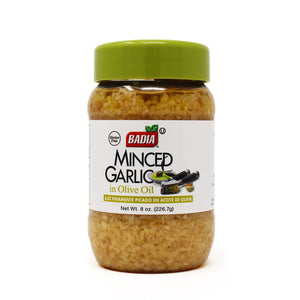
- Minced Garlic in Olive Oil. In the oil the beef fries in. Adds a savory garlic base.
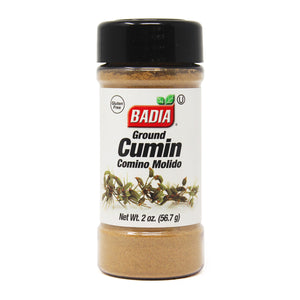
- Cumin, ground. On the beef with the pepper. The valley's spice.
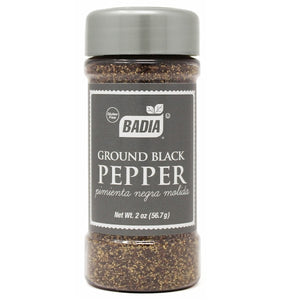
- Black Pepper, ground. On the beef.
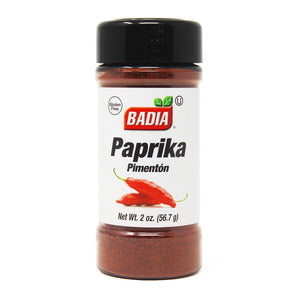
- Paprika. In the breading for color.
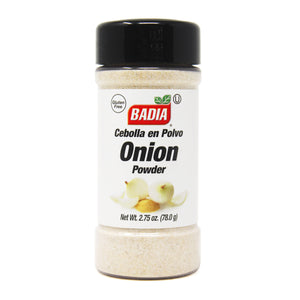
- Onion Powder. In the breading.
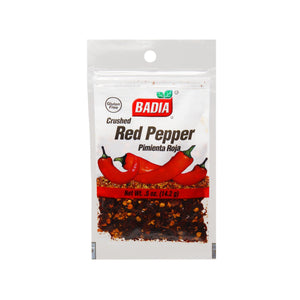
- Crushed Red Pepper. For the salsa when there is no locoto.
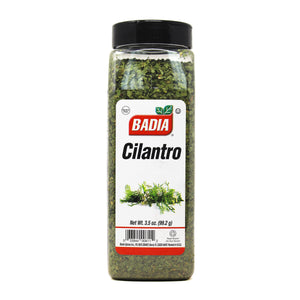
- Cilantro flakes. A stand-in for quirquiña, which it is not. The page says so.
From your market: thin beef cutlets (top round, sliced thin by the butcher), breadcrumbs, eggs, rice, potatoes, tomatoes, onion, a locoto or a fresh hot pepper, and quirquiña if a Bolivian market is near you, which is rare and worth the trip. Badia does not sell the quirquiña. Nothing does outside Bolivia and southern Peru.
Cocina
Silpancho cochabambino
Beef pounded thin, breaded, fried, over rice and potato, under an egg and a raw salsa. Doña Celia's plate. Serve it big.
Serves 4
- 4 thin beef cutlets, about 5 oz each
- 1 tsp Badia Cumin, ground
- 1 tsp Badia Black Pepper, ground
- Salt
- 1½ cups fine breadcrumbs
- 1 tsp Badia Paprika
- ½ tsp Badia Onion Powder
- 3 tbsp oil, plus more for the potatoes
- 1 tbsp Badia Minced Garlic in Olive Oil
- 2 cups cooked white rice
- 4 medium potatoes, boiled, sliced ½ inch thick
- 4 eggs
Llajua
- 2 tomatoes, finely diced
- ½ onion, finely diced
- 1 locoto or fresh hot pepper, minced, or ½ tsp Badia Crushed Red Pepper
- 2 tbsp quirquiña or cilantro, or 1 tbsp Badia Cilantro flakes
- 1 tbsp oil, 1 tsp vinegar, salt
- Pound. Lay a cutlet between two sheets of plastic. Season with cumin, pepper, and salt. Spread the breadcrumbs mixed with paprika and onion powder on a plate, set the cutlet on them, and pound with a mallet or a heavy pan until it is as wide as the plate and thin enough to read through. The crumbs press into the meat as you go. Turn and pound the other side into the crumbs. Repeat for each.
- The potatoes. Fry the potato slices in ½ inch of oil until golden on both sides. Drain.
- The llajua. Stir everything together. Let it sit 10 minutes.
- Fry the beef. Heat the oil with the garlic in a wide skillet over medium-high. Fry each silpancho 2 minutes a side, until the crust is golden. It cooks fast because it is thin.
- The egg. In the same pan, fry the eggs sunny side up, edges crisp, yolks soft.
- Build. Rice on the plate. Potato slices around it. The silpancho over everything, hanging off the edges. The egg on top. The llajua over the egg.
- Eat it with a knife and fork and a cold beer or a glass of chicha. Then take a walk. Cochabamba would.
Pueblos de los Valles
Cochabamba · Quillacollo · Sacaba · Tiquipaya · Punata · Cliza · Tarata · Totora · Aiquile · Sucre · Yotala · Tarija · San Lorenzo · Villamontes · Yacuiba · Camargo
Shop the recipes
Choose the jars you need. Fresh ingredients are separate; check your pantry before adding the full selection.
One of each available item shown. Review your cart before checkout.