

Hispanic Heritage · Panamá
Azuero y el Interior
Chitré · Las Tablas · Pedasí · Guararé · Los Santos · Parita
Explore this kitchen on the animated map ↗
Sancocho de gallina panameño
Descubre
In Panama’s interior, sancocho de gallina brings hen, ñame, culantro, and oregano together in a deeply savory soup. This kitchen uses that pot as a starting point for exploring the flavors of Azuero.
La Gente
Culantro is central to the broth’s character and differs from cilantro. Look for the fresh herb when possible, and follow the recipe’s guidance if adapting. The goal is a clear, satisfying soup in which the bird and herbs remain recognizable.
Sabor
Azuero cooks in culantro and oregano, with garlic and whole pepper underneath and the hen's fat over the top. Achiote colors the rice dishes. Heat is the ají chombo, the Panamanian habanero, on the side. It is a herbal, clean, deeply savory kitchen, and it is not shy about salt.
Spice DNA · Herb high · Sweet none · Smoke low · Heat low · Acid low
Seasonings to explore
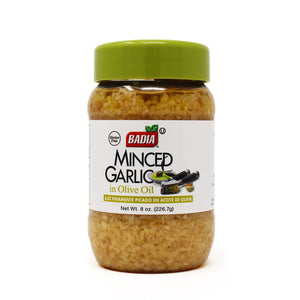
- Minced Garlic in Olive Oil. In the pot from the start. Adds a savory garlic base.
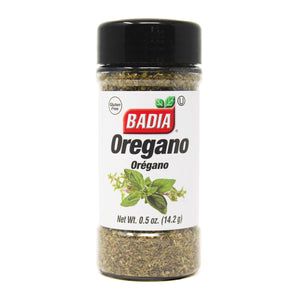
- Oregano, whole. In the sancocho. Panamá uses a local oregano; ours works with a light hand.
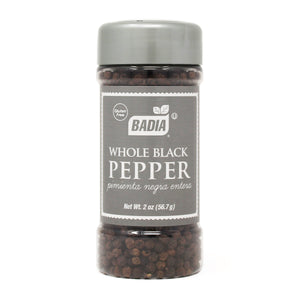
- Black Pepper, whole. Peppercorns in the pot, the Panamanian way.
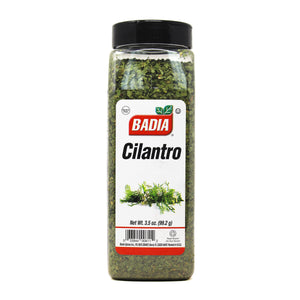
- Cilantro flakes. For the culantro when there is no fresh, and the page is honest that it is not the same. Fresh culantro from a Latin market is the real thing.
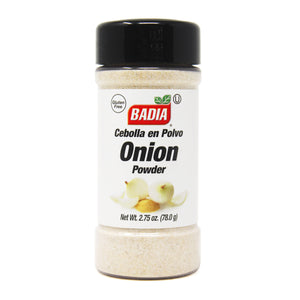
- Onion Powder. With the fresh onion.
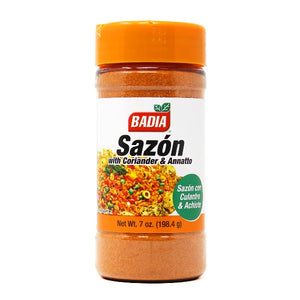
- Sazón with Coriander and Annatto. For the achiote in the arroz con pollo that goes beside it at a party.
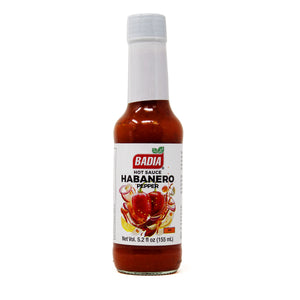
- Habanero Hot Sauce. For the ají chombo on the side.
From your market: a stewing hen if a Latin market has one, or a large chicken, ñame (white yam), fresh culantro (recao), an onion, and rice. Chiriquí would add yuca, otoe, corn, and squash. Badia does not sell the ñame. Every Latin market does, and a panameña can tell a good one by the weight.
Cocina
Sancocho de gallina panameño
Hen, ñame, and culantro. The purist's sancocho. Hours for the hen, minutes for the culantro, rice on the side.
Serves 6
- 1 stewing hen, 4 to 5 lb, cut in pieces, or a large chicken
- 12 cups water
- 1 onion, chopped
- 2 tbsp Badia Minced Garlic in Olive Oil, or 5 garlic cloves crushed
- ½ tsp Badia Onion Powder
- 1 tsp Badia Oregano, whole
- 1 tsp Badia Black Pepper, whole
- Salt
- 2 lb ñame, peeled and cut in large chunks
- Optional, the Chiriquí way: 1 lb yuca, 1 lb otoe, 2 ears of corn in rounds, 2 cups squash
- 1 large bunch culantro, chopped, or cilantro if you must, or 2 tbsp Badia Cilantro flakes
- White rice, to serve
- The hen. Put the hen in a large pot with the water, onion, garlic, onion powder, oregano, peppercorns, and salt. Bring to a boil, skim, and simmer partly covered. A hen takes 1½ to 2 hours to become tender; a chicken takes 45 minutes.
- The ñame. Add the ñame and the optional vegetables. Simmer 30 to 40 minutes, until the ñame is soft and beginning to break down and thicken the broth. Mash a few pieces against the side of the pot if it needs body.
- The culantro. Add most of the culantro and simmer 5 minutes. Taste for salt. It should be assertive.
- Serve. A piece of hen, chunks of ñame, and plenty of broth in each deep bowl, with the rest of the culantro over the top. White rice on a plate beside it. Spoon it in or keep it separate. Ají chombo or hot sauce on the table.
- It is better tomorrow. Panamá would tell you to make enough for that.
Pueblos de Azuero y el Interior
Chitré · Las Tablas · Pedasí · Guararé · Los Santos · Parita · Ocú · Penonomé · Antón · Aguadulce · Natá · Santiago · Soná · David · Boquete · Volcán · Bugaba · La Chorrera · Ciudad de Panamá · Casco Viejo · San Miguelito
Shop the recipes
Choose the jars you need. Fresh ingredients are separate; check your pantry before adding the full selection.
One of each available item shown. Review your cart before checkout.