This chapter explores a tradition through selected dishes and stories. Customs vary across households, regions, and generations.
Barbecue does not belong at a game-day party, if you think about it. The whole day runs on convenience, on food you can grab without looking away from the screen. And then there's the smoker in the backyard, which someone fired up at five in the morning and has been babysitting ever since, because the thing it's making cannot be rushed, cannot be faked, and will not be ready a minute before it's ready. It's the slowest possible food at the fastest possible meal. And it's the dish everyone's secretly there for.
Why low and slow
Barbecue, meaning real barbecue rather than grilling, is a transformation that only time can do.
The cuts are the tough, cheap, hardworking parts of the animal: brisket, pork shoulder, ribs, full of connective tissue that's inedible fast and magnificent slow. Hold them for hours in low heat and clean smoke and that toughness melts into silk; the smoke lays down a dark, savory crust the pitmasters call bark. You can't hurry it and you can't shortcut it. That's the whole religion of it: patience as an ingredient. In a series full of dishes engineered to feed a crowd in minutes, barbecue is the one that asks for your entire day, and rewards it.
The four kingdoms
And because this is America, the country never agreed on how to do it. Barbecue splits into rival kingdoms, each certain it holds the one true faith:
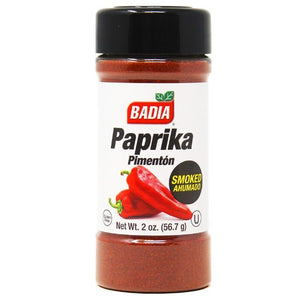
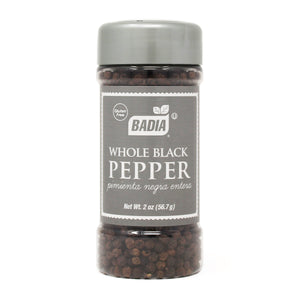
- Texas: beef. Brisket is king, especially the Central Texas style: salt, pepper, post-oak smoke and not much else, sauce optional and often unwelcome. The meat does the talking.
- Memphis: pork. Ribs are the icon, dry and crusted in spice rub or wet and mopped in sauce, alongside the chopped pork shoulder sandwich piled with slaw.
- Kansas City: everything. The melting pot of the bunch: every meat on the menu, the prized burnt ends (the candy-like points of the brisket), all under a thick, sweet, tomato-and-molasses sauce.
- The Carolinas: the whole hog. Pork, often the entire pig, dressed in a thin sauce that is itself a war: vinegar-and-pepper in the east, a tomato-tinged dip around Lexington, and South Carolina's unmistakable mustard-gold.
Nobody smokes it the same. (This is its own enormous story, and the deep regional pilgrimage lives in the Salt, Fire & Smoke series. Here, just know the map exists and every region thinks it won.)
On the game-day table
Barbecue shows up to the party in clever disguises that make a 12-hour craft work in a finger-food world.
The ribs go straight out on a board. But the magic is in the spinoffs: smoked wings crisped over the fire (the pitmaster's answer to the Buffalo wing), burnt ends speared with toothpicks like the world's best appetizer, and pulled pork and chopped brisket that slide directly into the slider format, as brisket sliders and pulled-pork sliders, so the slowest food on the table becomes the easiest thing to hand around. The centerpiece that took all day quietly becomes the thing in everyone's hand.
The crown
So when it finally comes off the smoker, bark dark and glistening, smoke ring pink at the edge, the whole backyard turns to look and the room reorganizes around it. The dips and the chips were the warm-up. This is the headliner.
Somebody got up before the sun so the table would have one thing on it that could not be hurried. One Sunday a year the whole country eats together — the biggest meal nobody sits down for, and barbecue is the part of it that somebody worked for, since before the sun came up, for no reason except that a gathering is better when one thing on the table is a labor of love. Nobody smokes it the same. Everybody's grateful when it's done.