This chapter explores a tradition through selected dishes and stories. Customs vary across households, regions, and generations.
Every other thing on this table is finished when it reaches you. The wings are sauced, the chili's simmered, the brisket's been smoking since dawn. And then there is the bottle, the one ingredient that is not done, because the cook deliberately left the last decision to you. A few shakes of hot sauce is the smallest, most personal act of cooking left in the meal: the moment a shared spread becomes a single person's plate. It's the last word, and everybody gets to say it differently.
The finisher
Start with how much of this table the bottle is secretly responsible for.
The Buffalo wing is a hot sauce recipe. Cayenne sauce and butter, and without the bottle it is fried chicken. The same is true up and down the spread: the bloody-mary, the taco, the breakfast eggs, the slice of pizza a certain kind of person will not eat undressed. Hot sauce is rarely the dish and almost always the verdict, the thing applied last, after the cooking's done, to make a finished food more itself. It's the one seasoning that lives at the table instead of in the kitchen, because its whole job is to be added by the eater, in the moment, to taste. That's a small kind of power, and people guard it.
The tribe
Which is why hot sauce is the most tribal condiment in America.
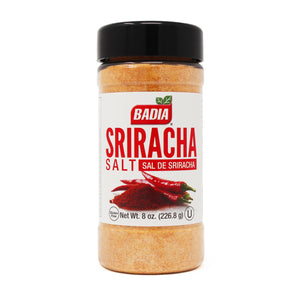
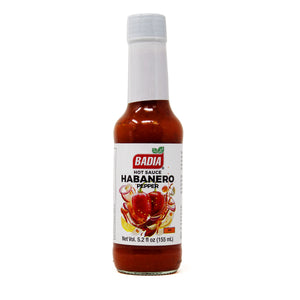
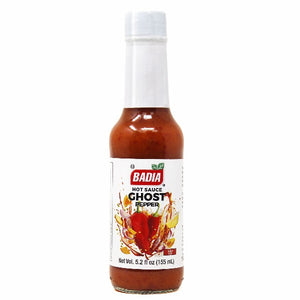
Ask a room what the best hot sauce is and you will not get an answer. You will get a standoff. There are the vinegary Louisiana classics, the garlicky srirachas, the smoky chipotle bottles, the fruity habaneros, the build-your-own-meltdown extract sauces, the regional loyalties people carry like a hometown. Folks don't like their hot sauce; they're faithful to it. They travel with it. They keep a backup. They have opinions about which foods demand which bottle, and they will share those opinions whether or not you asked. In a country that can't agree on anything, the hot sauce shelf is disagreement made delicious, a whole wall of bottles, each one somebody's one true answer.
The thrill
And underneath all of it is the strange engine that makes the whole category run: the heat is, technically, a trick.
Heat is only one part of hot sauce. Taste for acidity, salt, sweetness, smoke, and garlic as well. Put a mild sauce beside a hotter one and label them clearly, so guests can season their own food comfortably.
One table, a dozen bottles
So look at the table near the end of the night. The food came out the same for everyone: the same wings, the same chili, the same chips. And every single plate is different, because every person reached for a different bottle and made their last private edit.
That's the most game-day thing imaginable, and the cleanest version of this whole series' idea. One Sunday a year the whole country eats together, the biggest meal nobody sits down for, sharing one enormous spread and customizing it, plate by plate, into a hundred million slightly different meals. Nobody's rooting for the same team. Nobody reaches for the same bottle. The cook made the spread; the bottle lets you make it yours. Pass the one you swear by. Watch the person next to you reach past it for theirs.