This chapter explores a tradition through selected dishes and stories. Customs vary across households, regions, and generations.
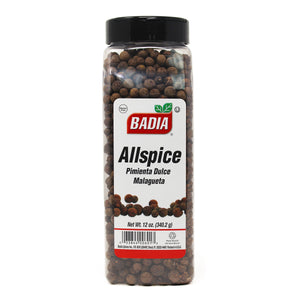
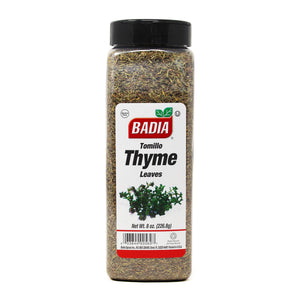
Walk down a block in Flatbush the week of Thanksgiving and the air tells you what kind of holiday this is. Allspice smoke off a barrel grill. Scotch bonnet so sharp it catches the back of your throat from the sidewalk. Thyme, scallion, the low sweetness of browning. In Brooklyn's Little Caribbean, where Jamaican, Trinidadian, Guyanese and Bajan families are stacked block on block, the Thanksgiving turkey is not roasted plain and apologized for. It is jerked. Or curried. Marinated for two days, smoked dark, and set on a table that also holds rice and peas, macaroni pie, fried plantains, and a jug of sorrel red as garnet.
The cooks here say it plainly: plain roast turkey was never the ceiling. So the diaspora raised it, took the most American holiday on the calendar, ran the bird through the islands, and handed it back better than they found it. That is the whole chapter, a remix by people who have spent generations turning what they were given into something clearly their own.
Jerk has a history
Jerk is a survival technology with a three-hundred-year memory.
When the English took Jamaica from the Spanish in 1655, enslaved Africans freed in the chaos fled into the island's mountains and became the Maroons, free communities holding out against recapture. There they met the methods of the Taíno, Jamaica's Indigenous people, who had long smoked and preserved meat over the wood and berries of the pimento tree. The Maroons fused that with their own African technique, and jerk was born: meat packed with allspice (pimento) and fiery scotch bonnet, then slow-cooked in pits dug partly so the smoke would not give away where they were hiding. The flavor that now reads as party was, at its origin, the taste of staying free.
When borrowing jerk flavors, name the inspiration and learn about the cooks and traditions behind it. Allspice, chile, and thyme are useful starting points, but a seasoning blend and a traditional cooking process are not interchangeable ideas.
Rice and peas, macaroni pie
The bird sets the tone. The sides name the islands.
Rice and peas is the cornerstone: long-grain rice simmered with kidney beans or pigeon peas, coconut milk, thyme, scallion, and a whole scotch bonnet left to perfume the pot without bursting. Burst it and you have started a different, angrier dish. Rice and peas is to this table what bread stuffing is to New England, the thing that must be there. Beside it sits macaroni pie, the Trinidadian and Bajan baked macaroni, set firm enough to cut in clean squares, a cousin to soul food's mac and a continent away from the boxed kind. Then fried plantains gone sweet and dark, maybe a pot of curry, goat or chicken, because the Indian indenture that followed slavery in Trinidad and Guyana put curry permanently on the Caribbean table. Festival, the slightly sweet fried dumplings, sops up whatever is left.
This is not one island's food. It is a whole archipelago at one table, which is exactly what a Brooklyn building full of West Indian families is.
The newest table
Something about this chapter is quietly radical. For many of these families Thanksgiving is not ancestral at all. It is new, a holiday they arrived into a generation or two back, with no inherited menu attached.
That turned out to be a gift. With no rule about how the bird should taste, there was nothing to stop a Jamaican grandmother from reaching for the jerk paste, a Trini auntie from making the macaroni pie, a Guyanese uncle from putting curry next to the cranberry sauce. The holiday became a place to be Caribbean in America, to set the islands down beside the country and have both be right. Making the American table yours is about the most American thing anyone can do to it.
Better for the crossing
So when the jerk turkey comes off the grill in Brooklyn, mahogany and blistered and smelling of pimento smoke, it carries the whole route in it: the Taíno fire, the Maroon mountains, the boat north, the building full of islands, and the first Thanksgiving an immigrant family hosted in a cold apartment and decided to cook their way.
Even dessert tells the route. Black cake, dense and dark with rum, sits beside a slice of pumpkin pie, and the sorrel goes into glasses that glow like stained glass.
Every new community hands this country back a richer table than it found. In Little Caribbean you can smell that happening from the sidewalk.