HOW AMERICA GATHERS · THANKSGIVING

CHAPTER · LOUISIANA — CAJUN COUNTRY

A Bird Inside a Bird Inside a Bird

A turkey lowered into a vat of oil in the driveway — or three birds deboned and nested into one — because a people who were handed the swamp decided the only honest answer to a hard life was more.

The Bird — deep-fried turkey, or turduckenThe Method — the driveway fryer; the boucherieThe Dressing — rice, not breadThe Gathering — the outdoor cook, the whole yard

If New England's Thanksgiving is a religion of restraint, Louisiana's is a celebration of more. You can see it in the driveway, where a turkey is being lowered on a hook into a vat of peanut oil at a rolling boil, a ring of men standing back at a respectful and slightly nervous distance, a beer in every hand. And you can see it on the table, where the centerpiece might be a turducken — a chicken tucked inside a duck tucked inside a turkey, every bird deboned, seasoned dressing packed between the layers, the whole impossible thing roasted until a single slice gives you all three at once.

The turducken is the perfect emblem of this table, because the question it answers isn't how do we honor tradition. It's why stop at one bird? That impulse — to take the thing everyone else does plainly and make it bigger, spicier, and unmistakably yours — runs through the entire Cajun Thanksgiving. And like everything in this country, it comes from somewhere.

Exiles in a swamp

The Cajuns are the descendants of the Acadians: French settlers who built a homeland in maritime Canada and were violently expelled from it by the British in 1755, in a deportation so brutal it has its own name — Le Grand Dérangement, the Great Upheaval. Families were loaded onto ships and scattered down the Atlantic; thousands died. The ones who eventually washed up in the swamps and prairies of South Louisiana were given the land nobody else wanted — humid, snake-thick, half underwater — and out of it they built one of the most joyful food cultures on earth. Acadien slurred into Cadien slurred into Cajun, and the cooking became the proof of survival.

(A quick, necessary line in the sand: this is Cajun — the rural French country west of New Orleans, Lafayette and the bayou parishes. It is the close cousin of, but not the same as, the Creole cooking of New Orleans. Conflating the two is the fastest way to tell a Louisianan you don't know the territory.)

What the swamp taught was a refusal to waste and a refusal to be glum about it. The boucherie — a communal hog butchering where neighbors broke down an animal together and turned every part into boudin, cracklins, and sausage — is the ancestor of the whole table: many hands, nothing wasted, and a party built around the work. The maximalism isn't excess for its own sake. It's a people who were given the worst and answered with the richest.

Rice, not bread

You can tell a Cajun Thanksgiving table at a glance by what's standing in for the stuffing. It isn't bread — it's rice. Rice dressing (the holiday cousin of dirty rice) is built on the Cajun holy trinity — onion, celery, and green bell pepper — cooked down with ground pork and often chicken livers and gizzards, then folded through rice until every grain is seasoned brown and savory. Bread stuffing is a guest here; rice is the host.

And it doesn't travel alone. Somewhere there's a pot of gumbo that started with a roux stirred dark as coffee, thickened with okra or filé, loaded with andouille — the smoke and the cayenne and the long, patient stir that says someone has been cooking since this morning because they wanted to. The seasoning is bold on purpose. Underseasoned food, in this part of the world, is a moral failing.

The driveway and the fire

The deepest difference, though, isn't a dish. It's where the cooking happens.

Most of America cooks Thanksgiving in the kitchen. Cajun Louisiana drags the main event into the yard. The deep-fryer in the driveway is the social center of the whole day — a propane burner, a pot of oil, and a bird injected with garlic, cayenne, and butter that comes out in forty-five minutes with shatter-crisp skin and meat that never had time to dry. Around that pot is where the men gather, where the stories get told, where the cousin who "knows fryers" presides like a priest. It's part cooking, part spectacle, part low-grade hazard — and it pulls people outside and together exactly the way the tamalada pulls them to the counter and the boucherie pulled the whole settlement to one hog.

That's the through-line under all the showmanship: the fire is an excuse to stand around together. The turducken is a reason to call everyone over to see it carved. The abundance is a way of gathering.

More was always the answer

So when a Cajun table piles on three birds and a vat of oil and a pot of gumbo nobody technically needed, it isn't bragging. It's the descendants of people who were loaded onto ships and dumped in a swamp, saying the same thing their boucheries said two centuries ago: we are not in want, we know how to throw a party, and there is always a little something extralagniappe, they call it — for whoever shows up.

That's how America gathers in Cajun country: out in the driveway, around the fire, behind a bird inside a bird inside a bird — turning a hard inheritance into the loudest, most generous welcome in America.

Gather Your People

Deep-fried turkey — do it, but do it safe. This is the showpiece, and it's also the single most dangerous thing in this whole series, so read this twice. The turkey must be completely thawed and patted bone-dry — water hitting hot oil is how driveways catch fire. Measure your oil first by submerging the bird in water and marking the line, so you don't overfill. Set the fryer on bare ground or concrete, well away from the house, deck, and anything that burns — never on a wooden porch, never in a garage. Turn the burner off before you lower the bird in, lower it slowly, then relight. Keep a fire extinguisher rated for grease (not water — never water) within reach. Inject the bird the night before with melted butter, garlic, and cayenne; fry at 350°F about 3–4 minutes per pound until done.

Turducken is a butcher's art — buy it or simplify it. Deboning three birds and nesting them is genuinely advanced; most families order one from a Louisiana butcher. The confident home version: skip the engastration, and instead make a Cajun-injected roast or fried turkey with a rice dressing baked alongside — same flavors, none of the surgery.

Rice dressing, the real stuffing. Sauté the trinity — onion, celery, green bell pepper — with ground pork (and chicken livers if you're being authentic), season hard with Cajun spice, then fold it through cooked rice with stock until it's moist and brown. This is the side that converts people.

Make it the gathering. Put the fryer in the yard and let it be the magnet it wants to be. Start the gumbo early so the roux has its hours. Hand someone a paddle and make them stir. The cooking is meant to be watched, narrated, and argued over — that's the point of doing it outside.

The whole country cooks at once — and nobody cooks it the same.

Every table tells the story of the people around it.

Shop the Chapter

The Badia shelf behind this table — add it all in one tap.

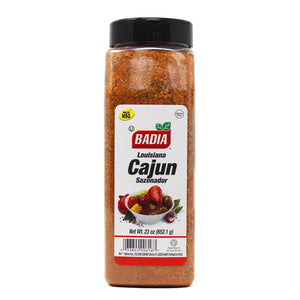
Badia Louisiana Cajun Seasoning, 23 oz
Badia Louisiana Cajun Seasoning, 23 oz $13.83
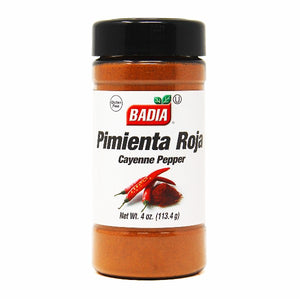
Badia Cayenne Pepper Spice, 4 oz
Badia Cayenne Pepper Spice, 4 oz $3.24
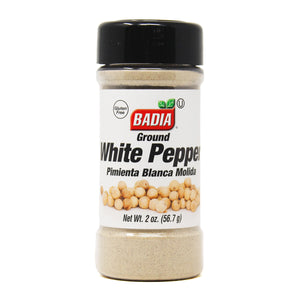
Badia White Pepper Ground Spice, 2 oz
Badia White Pepper Ground Spice, 2 oz $3.22
Badia Granulated Garlic Spice, 5.5 lb
Badia Granulated Garlic Spice, 5.5 lb $49.84
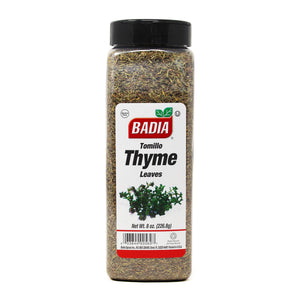
Badia Thyme Leaves Whole, 8 oz
Badia Thyme Leaves Whole, 8 oz $7.12
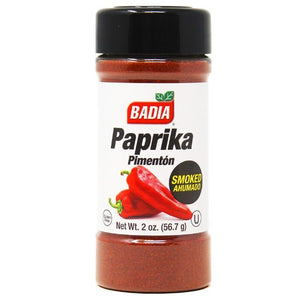
Badia Smoked Paprika Spice, 2 oz
Badia Smoked Paprika Spice, 2 oz $2.41

Good to know

What is a turducken?

A turducken is a deboned chicken stuffed inside a deboned duck, stuffed inside a deboned turkey, with seasoned dressing layered between each bird. A Louisiana creation rooted in Cajun butchers' deboning tradition — popularized by chef Paul Prudhomme and by Hebert's Specialty Meats in Maurice — it's roasted rather than fried, and carved into slices that contain all three birds at once.

What is a turducken?

Chicken in duck in turkey, dressing between, roasted; a Louisiana creation.

Who invented the turducken?

Debated — Paul Prudhomme popularized/trademarked it; Hebert's of Maurice, LA among the first to sell it; rooted in Cajun butchery.

How do you deep-fry a turkey safely?

Fully thawed and dry, don't overfill, on bare ground away from structures, burner off when lowering.

What's the difference between Cajun and Creole?

Cajun = rural French country cooking west of New Orleans; Creole = the multinational cooking of New Orleans itself.