This chapter explores a tradition through selected dishes and stories. Customs vary across households, regions, and generations.
The pie made from memory
Ask where the recipe is and you'll get a look. It's not in a book. It might be on an index card gone translucent with butter, or it might be nowhere at all: in the hands of the woman who's been making it every November for fifty years and measures the vanilla by pouring it into the cap and then a little past. Sweet potato pie is the dessert the Black American South carries forward the way it carries most of its best things: by memory, by the elbow, by watch me and don't write it down, you'll remember.
And here is the quiet argument it makes with the pie one page back. Pumpkin pie is the pie the whole country was taught: canonized, printed, sold to a nation. Sweet potato pie was never canonized by anybody. It didn't need to be. In countless Black households it is flatly the better pie, and it holds that title without a single cookbook's permission. It is the crown that named itself.
The root that answered the yam
To understand why this pie and not pumpkin, you start where the Soul Food table started: with what was available, and with what was remembered. The sweet potato, Ipomoea batatas, is native to the Americas, and it is not, botanically, a yam. But enslaved West Africans knew the yam intimately; it was a staple crop and a cultural anchor of the homeland they'd been torn from. In the American South, the sweet potato became its answer, close enough in sweetness and starch to stand in, and it took the yam's name with it. That's why so much of the South still says "yam" for a sweet potato: the word made the crossing even when the plant couldn't. Historians call this culinary memory, identity surviving in taste and method when everything else has been stripped away, and the sweet potato is one of its clearest survivals.
It also grew. Sweet potatoes flourished in Southern ground and stored through the winter, which made them reachable when a sugar pumpkin and a cone of white sugar were luxuries. A people building a holiday table from what they could grow and afford reached for the root that was already theirs, and made it the sweet at the end of the meal. Decades later, George Washington Carver stood at Tuskegee and cataloged well over a hundred uses for the sweet potato, arguing for it as a crop that could feed and sustain the rural South. The pie had known its worth long before the science caught up.
Why it wins
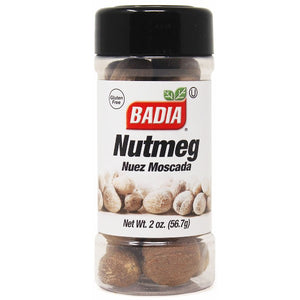
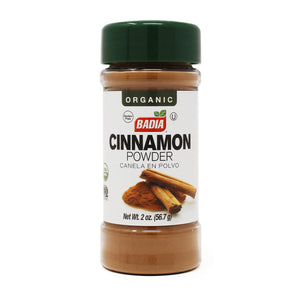
Taste the two pies side by side and the difference is immediate. Pumpkin is mild; it leans almost entirely on its spice. Sweet potato brings its own flavor to the fight: nuttier, earthier, sweet on its own, with a texture that bakes up denser and more custardy. It takes spice differently too. It can carry a heavier hand of nutmeg and cinnamon without going flat, and it wants what pumpkin only politely accepts: a real, generous pour of vanilla. That vanilla is the signature of a great sweet potato pie, the warm rounded note under the spice that makes people close their eyes at the first bite and go quiet.
The result is a pie that tastes like more. More body, more depth, more of everything a holiday dessert is supposed to be, which is the argument the whole Soul Food table makes, in miniature: take what you were given, and make it taste like abundance.
Who makes the pie
There's one more thing about this pie that no recipe captures, and it's the most important thing: who makes it is a matter of standing. In a lot of Black families, the sweet potato pie is somebody's, a specific person's, by name and by right. Grandma's pie. Auntie's pie. The passing of that pie down a generation is a real event, a small coronation, because to be handed the pie is to be handed the trust. People will drive across a state for the right person's sweet potato pie and quietly decline a slice of the wrong one. When Patti LaBelle's sweet potato pie went viral in 2015 and sold out of Walmarts nationwide overnight, it wasn't celebrity doing the work. It was a whole culture recognizing, instantly and at scale, what that pie means. You don't get that kind of frenzy over a dessert. You get it over a memory that millions of people share.
The pie carries a homeland's yam in an American root, a ration turned into a signature, a lineage you can taste. It was made from memory, and it makes memory. Ask anyone who has driven four hours for the right slice.