This chapter explores a tradition through selected dishes and stories. Customs vary across households, regions, and generations.
It is still dark in the Central Texas backyard when the fire gets lit. The offset smoker, a black steel barrel with a firebox welded to one side, takes a while to come up to temperature, and the pitmaster has been out here since before the coffee, feeding it splits of post oak until the smoke runs thin and blue instead of white. Only then does the turkey go on. Then comes the only hard part of the whole day: waiting, in a lawn chair, while the smoke does what smoke does.
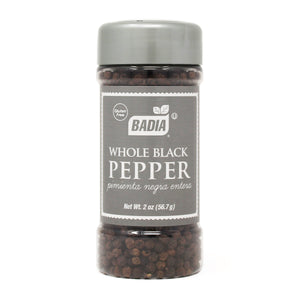
This is the last bird in the book and the most elemental one in it. No mojo, no jerk, no two dinners, no underground oven. Salt, pepper, smoke and time, which in this part of the country is treated as the entire religion rather than a shortcut. Other chapters dressed the turkey up. This one strips it back to the oldest seasoning America has, woodsmoke and patience.
The meat-market bird
The philosophy behind that backyard has a paper trail, and it runs through butcher shops.
Central Texas barbecue grew up in the 1800s out of the smokehouses of German and Czech immigrants, who settled the region and brought a butcher's culture with them. Their meat markets smoked the cuts that did not sell fresh, then handed them across the counter wrapped in butcher paper with nothing but bread, pickles and raw onion alongside. No plates, no sauce, no fuss. That market style hardened into a creed: great meat, minimal seasoning, post oak smoke, and a near-religious refusal to hide any of it under sauce. Ask a Lockhart pitmaster whether to sauce the brisket and you may be asked, politely, to leave.
The butchers did not invent the fire. They joined it. Long before them the Indigenous peoples of the region were cooking over embers and in earth pits, and Mexican vaqueros were making barbacoa, meat buried with coals and slow-steamed for hours, the moisture-and-patience tradition that gave barbecue both its method and, by way of the word barbacoa, its name. Texas smoke is a collaboration centuries deep. The turkey is its most recent convert.
“You don't barbecue turkey”
For a long time nobody did. Turkey was an oven bird, a holiday obligation, the thing your family overcooked once a year. The barbecue belt looked at that dry centerpiece and saw a rescue mission, because if there is one bird that smoke was built to save it is the turkey, which punishes the oven and rewards low, slow, indirect heat with meat that finally stays juicy.
Oak, pecan, and hickory offer different smoke profiles. Good airflow and controlled heat matter more than a rule that one wood is always best. Use a complete smoker recipe and verify the turkey’s internal temperature before serving.
The country doesn't agree
Set that smoked turkey down anywhere along the barbecue belt and you will start a fight. A loving one, but a fight.
In Central Texas it is salt, pepper and post oak, served naked on butcher paper. Drive east and the meat gets chopped and sauced and pulled apart tender. In the Carolinas it is whole hog and a splash of vinegar. In Kansas City it is sweet and sticky with burnt ends. In Memphis the ribs go on dry. One country, one fire, and a dozen irreconcilable convictions about what to do with it.
That argument is too big for Thanksgiving. It runs all year, across every cookout and every backyard and every roadside joint with a hand-painted sign, and it is a whole other story. (That is where Salt, Fire & Smoke picks up the thread.)
The oldest fire
So the book closes where America's cooking actually began, at a fire rather than an oven.
Across these ten chapters the country did ten different things to one bird. Absorbed it, authored it, reclaimed it, made it, invented around it, remixed it, carried it, doubled it, buried it, and finally smoked it. Ten traditions, one Thursday, no two tables alike. Underneath the mojo and the masa and the jerk and the rice and the imu, the constant was never the turkey. It was the fire, and the people who gathered around it to wait.
The turkey was always the excuse. The fire does not go out when the leftovers do; it waits for the next reason to gather.