This chapter explores a tradition through selected dishes and stories. Customs vary across households, regions, and generations.
In most of America, Thanksgiving smells like sage. In Miami it smells like garlic hitting hot oil and the sharp green bite of sour orange. If you grew up in a Cuban house, you knew the holiday had started by that smell coming down the hallway before the sun was fully up, not by anything on the calendar.
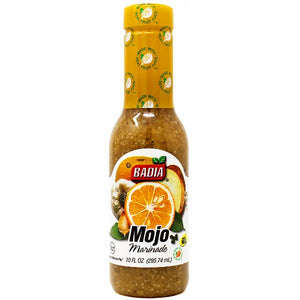
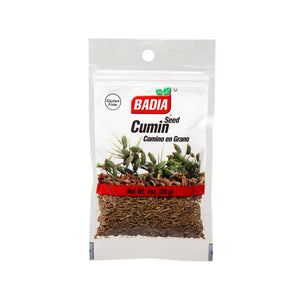
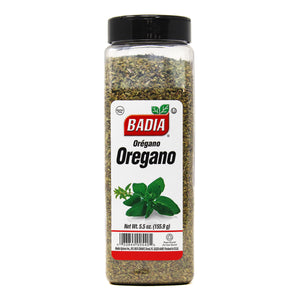
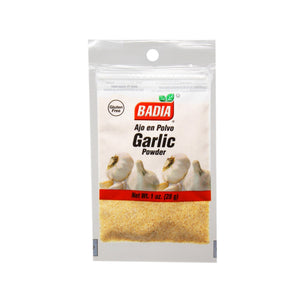
The turkey is a guest. A welcome one, dressed up for the occasion, but a guest. The pork sits at the center of the table: a lechón asado or a pernil, marinated overnight in mojo criollo, garlic crushed with sour orange, oregano and cumin until it is less a marinade than a family heirloom you can pour. The turkey goes into the same bowl and comes out of the oven bronzed and glistening, tasting like it was always supposed to be here.
The American holiday hands the exile household a contract (roast a turkey, give thanks, gather) and the household signs it, then writes a clause of its own in the margin: we will do this in our own tongue. The turkey is the passport. The pork is the homeland, and the table is where the two stop arguing and start eating.
You can read the whole story of a city in what surrounds that bird. Mashed potatoes get benched for yuca con mojo, cassava boiled soft and then drowned in the same garlicky citrus. In most houses the unofficial rule is that you judge the entire night by how little yuca is left, and the answer is always none. The stuffing is moros y cristianos, black beans and rice soaking up every drop of pork drippings, a dish whose name remembers a much older blending of cultures. Plantains come both ways: tostones for the people who want salt and crunch, maduros for the ones with a sweet tooth and no shame about it. And somewhere in the kitchen there is an abuela who, one year decades ago, snuck Cuban bread into the stuffing and quietly changed her family's November forever.
Even the desserts refuse to choose. Pumpkin pie sits next to flan de calabaza, the Cuban answer to it: same squash, same warm spice, set into custard instead of crust. Tres leches keeps them company. The American sweet and the Cuban one share a plate the way the turkey and the pork share the table.
A mojo-seasoned Thanksgiving can also be a bridge to Christmas Eve cooking. Invite guests to share which sides they make at home, and let those conversations shape the menu. A family recipe is a starting point for learning, not a test of belonging.
Marinate the turkey in its own clean, food-safe container in the refrigerator. Keep raw poultry and its juices separate from other foods, and reserve clean mojo for serving before it touches raw meat.