The cake that drinks
Every rule of baking says the same thing: a soggy cake is a failed cake. Keep the moisture balanced, don't oversoak, serve it before it goes wet. Tres leches breaks that rule on purpose and became one of the best-loved desserts in the Americas by doing it.
You bake an airy, almost dry sponge. Then you flood it. You poke it full of holes and pour over a mixture of three milks until the cake drinks in as much as it possibly can, going from dry crumb to something soaked, cool, and lush, holding its shape but heavy with milk in every bite. The cake's whole job is to absorb. Cut into a good one and it weeps a little. That is the dish working, not failing.
The cake the can helped spread
As beloved and traditional as it feels, the modern tres leches is young, and its exact origin is disputed. Soaking cakes in sweet liquid is an old idea with roots on both sides of the Atlantic; canned milk didn't invent it. But the three-milk version found its reach in the twentieth century, as evaporated and condensed milk became common across Latin America and recipes circulated with the cans. The dessert is claimed especially by Nicaragua and Mexico, and made everywhere in between. A modern tradition, adopted so completely that it now feels timeless. Nobody at a quinceañera is carbon-dating the cake.
Three milks and a vanilla
The name says three milks, and the three are the whole architecture. Evaporated milk does the body. Sweetened condensed does the sweetness, generously. Cream or whole milk keeps the soak pourable. Whisked together and poured over the warm sponge, they turn a plain cake into the plush, milk-heavy thing on the plate.
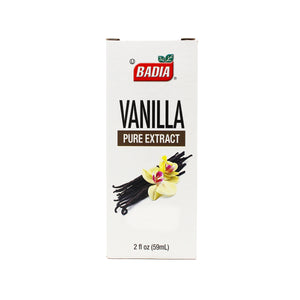
The flavor that ties it together, the note that makes the milk taste like dessert instead of just wet, is vanilla. It goes into the sponge and into the soak, and it's the warm thread running through every bite. A little cinnamon dusted over the whipped-cream top finishes it. The dairy is the substance here and the vanilla is the soul, which is why the bottle you choose matters as much in this cake as it does in flan.
The occasion cake
Tres leches is not a Tuesday cake. It shows up when something is being celebrated: the birthday, the quinceañera, the anniversary, the holiday table. It comes out cold from the fridge, gets cut into a crowd's worth of pieces, and disappears before the coffee. For a dessert that breaks the oldest rule in baking, it has very little left to prove.