HOW AMERICA GATHERS · LATIN DESSERTS

CHAPTER · COQUITO — PUERTO RICO'S CHRISTMAS IN A GLASS

Coquito — Christmas in a Glass

Puerto Rico doesn't wait for dessert at Christmas. It pours it. Coquito is the island's coconut answer to eggnog: thick, cold, spiced, and spiked, made by the pitcher, and no two families' recipes are the same. Everyone's abuela made the best one, and everyone is prepared to defend that.

The Base — coconut in layersThe Body — condensed and evaporated milkThe Spice — cinnamon the backbone, nutmeg the finishThe Gathering — the parranda, and a bottle pressed into your hands

Christmas in a glass

In Puerto Rico, the taste of Christmas isn't something you slice. It's something you pour. Coquito, "little coconut," is the island's holiday drink: a thick, cold, coconut-rich cream, warm with cinnamon and nutmeg and spiked with rum, blended by the pitcher and poured into small glasses for everyone who comes through the door in December. People call it Puerto Rican eggnog, which is fair the way calling Puerto Rico "an island near Florida" is fair. It gets the idea across and misses everything that matters. Many coquito recipes contain no egg at all and lean entirely on coconut; other families add yolks for a richer, custardy version. Both are Tuesday-night arguments waiting to happen.

Because like everything in this section, coquito is a fight nobody wants to end. Every family has its recipe. Every abuela made the definitive batch. Every Puerto Rican will tell you, warmly and without hesitation, that theirs is correct and the others are merely nice.

Coconut in layers

The soul of coquito is coconut, and the good versions build it in layers. The backbone is cream of coconut, the thick sweet stuff that makes a piña colada, rounded out with coconut milk, and in some families extra coconut on top of that. To the base go sweetened condensed milk and evaporated milk for body, a serious pour of white rum, and the spices. Everything goes in the blender, gets chilled hard, and comes out thick enough to coat the glass. A dessert and a nightcap in the same small cup.

The blender-style coquito most people make today is modern. Shelf-stable coconut and canned milk helped shape and standardize it, though the drink's precise origin is hard to document; like a lot of beloved holiday recipes, it's older in spirit than in any cookbook. Its role is not in question. This is the drink of a Puerto Rican Christmas, full stop.

Cinnamon and nutmeg, the warmth

This chapter breaks the section's vanilla streak on purpose, because the flavor that makes coquito taste like Christmas and not just a coconut drink is the warm spice. Cinnamon is the backbone. It runs through the drink, and a stick steeped in the warmed base deepens it further. Nutmeg is the finish: grated fresh over each glass, the lift that reads instantly as the holiday. Families improvise from there with a whisper of clove, ginger, or star anise, each household with its own hand. Vanilla plays backup. The spice cabinet leads.

A bottle in your hands on the way out

Coquito is not a sit-down dessert. It moves. It's the drink of the parranda, the Puerto Rican Christmas tradition where friends travel house to house late into the night, singing, and every stop pours a round. It's on the Nochebuena table. It's in a repurposed rum bottle in the fridge, resting on its side because the shelf is full. And it's very often pressed into your hands as you leave, because a family that makes coquito makes a lot of coquito, and sending you home with a bottle is part of the recipe.

The parranda moves to the next house around two in the morning, and the coquito moves with it. Whatever's left goes home with whoever helped finish the singing. Christmas, in Puerto Rico, is transferable.
Gather Your People

Build the coconut in layers. Cream of coconut for sweetness and body, coconut milk to loosen it, extra coconut if your family runs rich. The layers are what separate a great coquito from a thin one.

Condensed and evaporated milk for the body. Sweetened condensed brings silk, evaporated brings richness without watering anything down. Blend it all smooth.

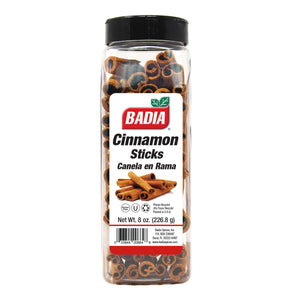
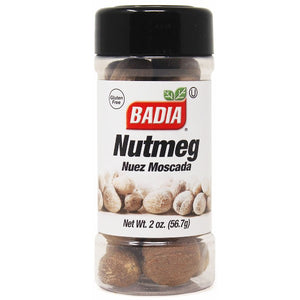
Cinnamon and nutmeg are the Christmas. Blend cinnamon through the base, and steep a stick in the warmed base if you have twenty extra minutes; it's worth them. Then grate nutmeg fresh over every glass. Fresh-grated is the difference between a coquito with a holiday lift and a flat coconut drink. A whisper of clove or star anise is a fine family option.

Rum to taste, then chill it hard. White rum is classic; pour to your family's strength. Refrigerate for hours, ideally overnight. Coquito wants to be very cold and slightly thickened before anyone touches it, and it separates as it sits, so shake before serving.

Make it the gathering. Make a big batch, keep it cold, pour it small. Bottle the extra and send it home with people. The bottle is part of the recipe.

Across Latin America, the same sweet ideas keep changing shape.

Every family swears its version is the one that's right.

Shop the Chapter

The Badia shelf behind this table — add it all in one tap.

Whole Nutmeg — the fresh-grate finish
Whole Nutmeg — the fresh-grate finish $4.41
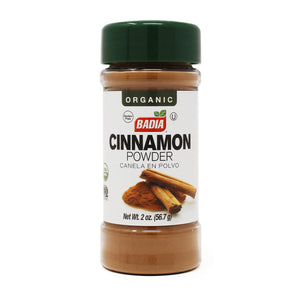
Ground Cinnamon — the backbone
Ground Cinnamon — the backbone $4.01
Cinnamon Sticks — for the steep
Cinnamon Sticks — for the steep $14.64
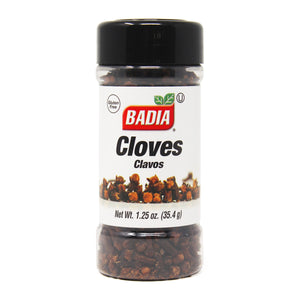
Whole Cloves — the family option
Whole Cloves — the family option $3.22
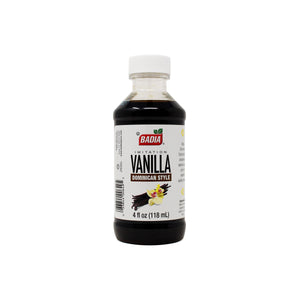
Dominican-Style Vanilla — the backup singer
Dominican-Style Vanilla — the backup singer $2.93

Good to know

What is coquito?

Coquito (little coconut) is a traditional Puerto Rican Christmas drink: a thick, cold, coconut-based cream made with cream of coconut, coconut milk, sweetened condensed milk, and evaporated milk, spiced with cinnamon and nutmeg and spiked with rum. It's blended, chilled, and served in small glasses through the holiday season.

Does coquito have egg?

Many modern coquito recipes contain no egg and rely on coconut for richness. Other families add yolks for a richer, custardy version. Both traditions are real; neither is the one true classic.

What's the difference between coquito and eggnog?

Coquito is coconut-based and often egg-free. Eggnog is dairy-and-egg-based. They share the job (a rich, spiced, boozy holiday cream) and almost nothing else.

What spices are in coquito?

Cinnamon is the backbone and nutmeg is the finish, grated fresh over each glass. Some families add a little clove, ginger, or star anise.