HOW AMERICA GATHERS · GAME DAY

CHAPTER · WINGS — FROM BUFFALO TO EVERYWHERE

The Part Nobody Wanted

Americans eat an estimated 1.4 billion chicken wings on Super Bowl weekend — a staggering number for a scrap of meat that, sixty years ago, most cooks tossed in the stockpot or the trash. This is the story of how the part nobody wanted became the one thing every game-day table needs — and how no two corners of the country can agree on what to do with it.

The Origin — Buffalo, 1964, one late-night plate that changed American snackingThe Map — Buffalo, Nashville hot, Atlanta lemon pepper, Korean, smoked, and moreThe Debates — flat or drum, wet or dry, blue cheese or ranchThe Gathering — a hundred million people, one kickoff, a continent of wings

Here is the most unlikely fact in American food: the single most iconic dish of the biggest eating day of the year is made from a part of the chicken that, within living memory, nobody wanted.

On Super Bowl weekend, Americans put away something like 1.4 billion chicken wings. The wing is the undisputed king of game day, the thing that shows up at every watch party in the country whether anyone planned it or not. And yet, until about sixty years ago, the wing was a throwaway: too bony and awkward to bother with, destined for the stockpot or the bin, worth almost nothing. The story of how it got from the trash to the center of the table is a genuinely American one — an accident, a late night, a hot sauce — and so is what happened next, which is that the entire country took the idea and refused, region by region, to make it the same way.

The Anchor Bar, 1964

It starts in Buffalo, New York, on a late night in 1964, at a family place called the Anchor Bar.

The widely told version goes like this: Teressa Bellissimo, who ran the bar with her husband Frank, got a late-night request to feed a group of her son Dominic's friends. With not much on hand, she reached for chicken wings — the cheap, ignored part she'd normally save for soup — deep-fried them without breading, tossed them in a mix of cayenne hot sauce and melted butter, and sent them out with celery and blue cheese dressing because that's what was in the kitchen. The bar-goers went wild. Word moved through Buffalo within weeks, and a throwaway became a signature. (There's a quieter, fairer footnote worth keeping: John Young, a Black restaurateur in segregated 1960s Buffalo, was already serving whole wings in a tomato-based "Mumbo" sauce at his own place around the same time — a parallel claim that history has too often left out of the story.) For nearly two decades the Buffalo wing stayed a western New York thing. Then the 1980s arrived with sports-bar culture and national wing chains, the wing went coast to coast, and somewhere along the way it fused permanently with football — until the Big Game and a mountain of wings became the same idea.

The map of wings

But here's where it gets interesting, and where this whole series lives: the country took the wing and split it into a dozen regional dialects.

  • Buffalo: the original. Fried, then tossed in that glossy cayenne-and-butter sauce, blue cheese on the side.
  • Nashville: hot. The city's fiery hot-chicken paste — cayenne and fat, running from "hot" to genuinely dangerous — brushed onto wings until your scalp sweats.
  • Atlanta: lemon pepper. A bright, peppery dry rub, or the legendary "lemon pepper wet" with sauce on top — a style so woven into the city it's practically a local dialect of its own.
  • Korean: double-fried. Shatteringly crisp, then lacquered in sweet-spicy gochujang or sticky soy-garlic.
  • Smoked: low and slow. Dry-rubbed and run through the smoker — the Salt, Fire & Smoke crossover.
  • Jerk: Caribbean heat. Allspice, scotch bonnet, and thyme.
  • Old Bay: Chesapeake. Maryland's celery-salt-and-spice answer to the whole question.
  • Mumbo: D.C. Sweet, red, and local to the capital — the sauce at the heart of the wing's other origin story.

Same humble part of the same bird — and a completely different wing depending on which zip code you're standing in. Nobody makes it the same. That's the whole point.

The eternal debates

And because Americans cannot leave a good thing un-argued-about, the wing comes with a full slate of holy wars.

Flat or drum? The drumette is the little drumstick, easy and meaty; the flat (the two-bone middle) is, for connoisseurs, where the best skin-to-meat ratio lives. People have opinions. Wet or dry? Sauce-tossed and messy, or dry-rubbed and clean enough to eat in a white shirt — a real regional fault line, with the dry-rub camp claiming the South and the saucers holding the North. Blue cheese or ranch? Buffalo purists will die on the blue cheese hill; much of the rest of the country quietly reaches for ranch. None of these arguments will ever be settled, and that's exactly why they get rerun, happily, every single Sunday. The wing isn't just food. It's a debate you can eat.

The snack that conquered Sunday

So when the kickoff comes and a hundred million people settle in around a hundred million plates, the wing is the one thing nearly all of them have in common — and the one thing almost none of them made the same way.

Picture it for a second. Somewhere a guy is burning the first batch on the grill and swearing he meant to. Somewhere else a kid is shaking wings in a steel mixing bowl with way too much sauce. An uncle is explaining, to nobody who asked, why ranch is perfectly acceptable. Not one of these houses agrees on the recipe. Every single one of them is reaching for another wing.
That's how America gathers on the biggest food day of the year: not around one recipe, but around one idea, customized into infinity. The part nobody wanted turned out to be the perfect canvas — cheap, shareable, finger-food democratic, and endlessly open to whatever flavor your corner of the country swears by. One Sunday a year, the whole country eats together, the biggest meal nobody sits down for. Nobody's rooting for the same team. Nobody makes the wings the same way. And somehow, that disagreement — sauce-slicked, blue-cheese-dabbed, argued over a coffee table — is the most unifying thing on the menu.

Gather Your People

Crispy without a deep fryer. Pat the wings bone-dry, toss with a little baking powder (not baking soda) and salt, and roast on a rack at high heat — the baking powder crisps the skin like a shallow fry. Air fryers do the same job beautifully. The goal is crunch that survives the sauce.

The Buffalo benchmark. Melt butter into a good cayenne hot sauce — roughly equal parts to start, more butter for milder, more sauce for hotter — and toss the hot wings in it right out of the oven. Celery, carrots, blue cheese or ranch on the side.

Then leave Buffalo. Lemon pepper: toss crispy wings in lemon-pepper seasoning (and a little melted butter for "wet"). Nashville hot: a paste of cayenne, brown sugar, and hot oil, brushed on. Korean: simmer gochujang, soy, garlic, ginger, and a little sugar to a glaze. Smoked: dry-rub and run them through a smoker low and slow (see the Salt, Fire & Smoke series). Jerk: allspice, scotch bonnet, thyme.

Build a wing bar, not a wing. The move for a crowd is two or three flavors at once — say Buffalo, lemon pepper, and a sweet one — so the room can argue in real time. Set out both dips and refuse to take sides.

The whole country cooks at once — and nobody cooks it the same.

Every table tells the story of the people around it.

Shop the Chapter

The Badia shelf behind this table — add it all in one tap.

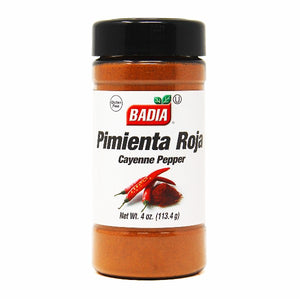
Badia Cayenne Pepper Spice, 4 oz
Badia Cayenne Pepper Spice, 4 oz $3.24
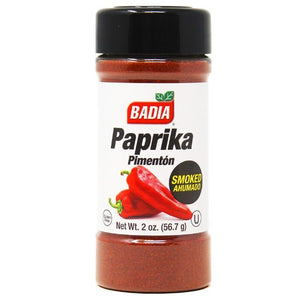
Badia Smoked Paprika Spice, 2 oz
Badia Smoked Paprika Spice, 2 oz $2.41
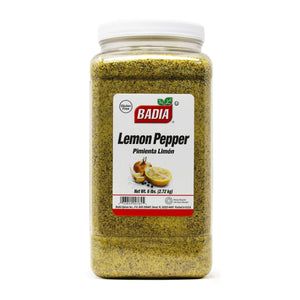
Badia Lemon Pepper Seasoning, 6 lb
Badia Lemon Pepper Seasoning, 6 lb $47.85
Badia Garlic Powder Spice, 1 oz
Badia Garlic Powder Spice, 1 oz $1.08
Badia Black Pepper Whole, 2 oz
Badia Black Pepper Whole, 2 oz $2.41
Badia Celery Salt, 2 lb
Badia Celery Salt, 2 lb $7.20

Good to know

Where did Buffalo wings come from?

Buffalo wings were created in 1964 at the Anchor Bar in Buffalo, New York, where Teressa Bellissimo deep-fried chicken wings — then a cheap, throwaway part usually saved for stock — and tossed them in a sauce of cayenne hot sauce and butter, served with celery and blue cheese. They're named after the city, not the animal. From a regional bar snack they became a national obsession, and Americans now eat an estimated 1.4 billion wings on Super Bowl weekend alone.

Where did Buffalo wings come from?

The Anchor Bar in Buffalo, NY, 1964, created by Teressa Bellissimo.

Why are they called Buffalo wings?

After the city of Buffalo, New York, where they were invented — not the animal.

How many wings do Americans eat on Super Bowl weekend?

An estimated 1.4 billion.

What's the difference between Buffalo, Nashville hot, and lemon pepper wings?

Buffalo is cayenne-and-butter sauce; Nashville hot is a fiery cayenne paste; lemon pepper is a bright dry rub, an Atlanta signature.

Flat or drum?

Drums are meatier and easier to eat; flats have more skin and are prized by enthusiasts — it's a matter of preference.