HOW AMERICA GATHERS · LATIN DESSERTS

CHAPTER · BISCOCHITOS — THE FIRST STATE COOKIE

Biscochitos — The First State Cookie

In 1989, New Mexico did something no state had done before: it named an official cookie. Not a flower, not a bird — a cookie. And the one it chose is a tender, crumbly, anise-scented, cinnamon-sugar-dusted little thing that Nuevomexicano families had already been baking for Christmas, weddings, and every occasion worth marking, for generations.

The Cookie — a tender, crumbly anise shortbreadThe Signature — anise, warm and licorice-sweetThe Coat — cinnamon and sugar, dusted while warmThe Gathering — Christmas, weddings, and the New Mexico holiday table

The first state cookie

Most states have a flower, a bird, maybe a tree. In 1989, New Mexico added something no state had claimed before: an official state cookie. The biscochito, a tender, anise-scented shortbread rolled in cinnamon and sugar, became the first official state cookie in the country, and it earned the honor the honest way: by already being the cookie of that place, in Nuevomexicano kitchens, at every occasion that mattered, long before any legislature noticed. A state that writes its cookie into law is a state that takes its grandmothers seriously.

A biscochito was never a novelty. It's a Christmas cookie, a wedding cookie, a quinceañera cookie and a funeral cookie: the small, tender, anise-warm thing that appears whenever a New Mexico family gathers, passed on a plate, gone in two bites, stacked in tins that never make it to New Year's.

Anise, and the Spanish thread

The flavor that makes a biscochito a biscochito, and not just a sugar cookie, is anise. Warm, faintly licorice, sweetly aromatic: it's the note that tells you where you are the moment the cookie hits your tongue. Traditionally, ground or crushed anise seed perfumes the dough in small aromatic bursts. Anise extract gives a smoother, more even version for cooks who prefer the shortcut. Both are honest routes; the seed is the older one.

That anise is a thread back to the cookie's roots. Biscochitos trace to the Spanish colonial history of New Mexico, to Hispano communities whose foodways run centuries deep in the region, carrying Iberian baking traditions that were reshaped, generation by generation, into something wholly Nuevomexicano. The classic dough leans on lard (manteca) for its crumbly-tender texture, sometimes takes a splash of brandy or wine, gets cut into rounds or the traditional fleur-de-lis, and comes out of the oven pale, headed straight for the cinnamon sugar.

The two-flavor cookie

What makes it work is a simple pairing: anise in the cookie, cinnamon on the outside. The anise runs warm and aromatic through the tender crumb; the cinnamon-sugar coat, pressed on while the cookies are still hot so it clings, gives the sweet, spiced finish. Two flavors, two shelves. The anise comes from the extract line, the cinnamon from the spice cabinet, and this little cookie is the first dish in the section to need both.

New Mexico made it official in 1989. The kitchens had ratified it centuries earlier, a batch at a time, and never needed the law to keep baking.
Gather Your People

Anise is the identity. Don't whisper it. Whether from seeds worked into the dough or a good anise extract, the anise is what separates a biscochito from plain shortbread. It should be clearly, confidently there. Seeds give traditional aromatic bursts; extract gives a smoother, even perfume. Pick your route, or use a little of each.

Fat makes the crumb. The traditional tender, crumbly texture comes from lard (manteca); butter works and is common today, and some cooks split the difference. A splash of brandy or wine is a classic touch. Don't overwork the dough. Tender, not tough.

Roll, cut, and keep them pale. Cut into rounds or the traditional fleur-de-lis and bake just until set and barely golden. Biscochitos are meant to stay light and delicate, not browned and crisp.

Coat while warm. Dredge the cookies in cinnamon sugar while they're still warm from the oven so it clings. Cold cookies won't hold the coat, and the coat is half the cookie.

Make it the gathering. Biscochitos are a batch cookie, made by the dozens for a crowd and a season: Christmas above all, weddings and celebrations close behind. Stack them where people pass. Make more than you think you need, because the tin empties faster than you think it will.

Across Latin America, the same sweet ideas keep changing shape.

Every family swears its version is the one that's right.

Shop the Chapter

The Badia shelf behind this table — add it all in one tap.

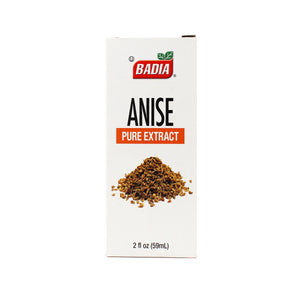
Anise Extract — the signature, the smooth route
Anise Extract — the signature, the smooth route $3.08
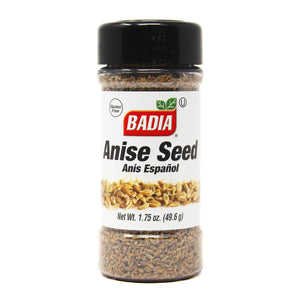
Anise Seed — the traditional route
Anise Seed — the traditional route $2.41
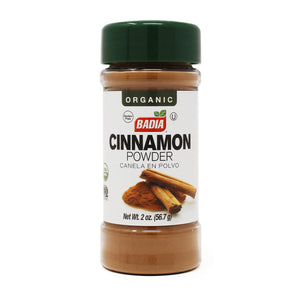
Ground Cinnamon — the coat
Ground Cinnamon — the coat $4.01
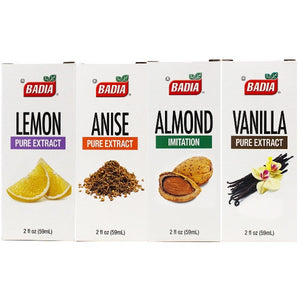
The Four-Extract Bundle — stock the whole cookie shelf
The Four-Extract Bundle — stock the whole cookie shelf $21.59

Good to know

What is a biscochito?

A biscochito (also spelled bizcochito) is a traditional New Mexican shortbread cookie flavored with anise and coated in cinnamon sugar. Rooted in the Spanish colonial and Hispano heritage of New Mexico, it's made with a tender, lard- or butter-based dough, often cut into rounds or a fleur-de-lis, and dusted with cinnamon sugar while warm. In 1989 it became New Mexico's official state cookie, the first official state cookie in the United States.

What flavor is a biscochito?

Anise in the cookie and cinnamon sugar on the outside. The anise (from seed or extract) gives a warm, faintly licorice note; the cinnamon-sugar coat is pressed on while the cookies are warm.

Why is the biscochito New Mexico's state cookie?

It was already the traditional Nuevomexicano celebration cookie, served at Christmas, weddings, and gatherings for generations. New Mexico made it official in 1989, the first state to name an official cookie.

Biscochito or bizcochito?

Both spellings are used, and New Mexico's official materials recognize both. Same cookie either way.