This chapter explores a tradition through selected dishes and stories. Customs vary across households, regions, and generations.
Somewhere in a Jamaican kitchen in Flatbush, in a sealed jar at the back of a cupboard, there is fruit going quietly to glory. Raisins, currants, prunes, cherries, drowned in dark rum and sweet port wine and left to drink it in for weeks, for months, since the warm end of summer. Nobody's in a hurry. The longer it sits, the better it gets, and everybody in the house knows what it's becoming.
It's becoming black cake, the dense, dark, almost wickedly rich fruitcake that anchors a Jamaican Christmas, and that, more than anything else, this island bakes with time. Most of this book is about waiting through a single great night. This chapter is about a people who start preparing for Christmas in July. And when the day finally comes, the season won't be announced by snow or by a song. It'll be announced by a glass of something deep red and spiced and cold, and that's where we'll end up. But it starts with the cake, and the cake starts months ago.
The cake that took all year
Black cake is what happened when the British plum pudding sailed to the Caribbean and never went home.
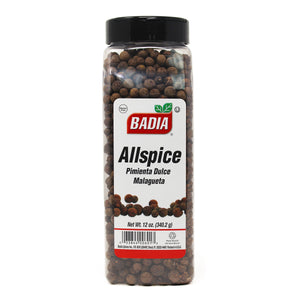
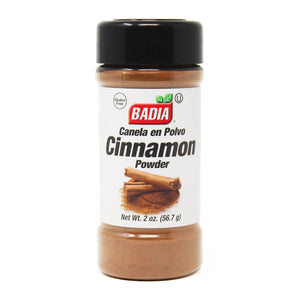
The colonizers brought a dense, boozy, dried-fruit Christmas cake; the islands took it and made it darker, richer, and entirely their own. The soaked fruit gets blended to a smooth, almost black paste. The batter is deepened with browning, burnt sugar cooked nearly to bitterness, and molasses, until the whole thing bakes up the color its name promises: beautifully, properly black. It's spiced with pimento and cinnamon and nutmeg, baked low and slow so it stays dense and damp, and then, often, fed, brushed with still more rum as it cools, so it keeps for weeks and only deepens. Every family swears its version is the right one; every cook learned it standing at an elbow. (Like the mountain stack cake a chapter ago, this is a cake that refuses to be rushed, but where Appalachia waited days, the islands wait a year, and they wait it in rum.) It is a labor of love measured not in hours but in seasons.
The color of the season
And then there's the drink, which is the thing that actually tells a Jamaican that Christmas has arrived: sorrel.
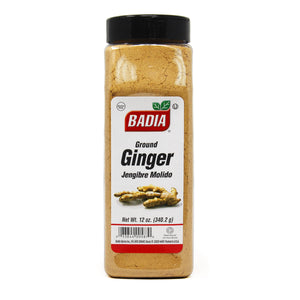
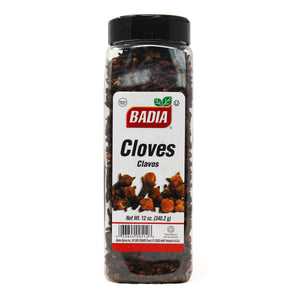
Not the leafy green herb, this sorrel is a species of hibiscus, the same flower West Africa calls bissap and Latin America calls flor de Jamaica. Its dried red calyces are steeped in hot water with ginger, cloves, pimento, sometimes cinnamon and dried orange peel, then sweetened and chilled and, for the grown folks, spiked generously with rum. What comes out is a deep, jewel-red drink, tart and spiced and refreshing, and on the islands, the first batch of the season is the announcement that the season has come. Come late November, the market stalls bend under the weight of fresh sorrel.
But the red runs deeper than festivity. Across the African diaspora, sorrel's crimson is read as something more, the blood shed by enslaved Africans, and the resilience of the people who survived. The food historian Michael Twitty has described how finding the same plant growing in the Americas offered the enslaved "a semblance of hope," a living thread back to a homeland they'd been torn from. So the brightest, most festive drink on the table is also, quietly, a remembrance. It tastes like Christmas and it carries a history, which is about as Caribbean as a thing can be.
Grand Market and Junkanoo
Out in the streets, a Jamaican Christmas gets loud.
On Christmas Eve comes Grand Market, "Gran' Market", an all-night affair where town centers turn into a blazing, music-soaked bazaar: vendors and lights and jerk smoke and patties and last-minute shopping and crowds that pour through until the early hours of Christmas morning. And winding through the season is Junkanoo (or Jonkonnu), the masked street parade with deep African roots, costumed characters with names like Pitchy-Patchy and Horse Head and Cow Head dancing to drums and cowbells and fifes, a tradition born among the enslaved, who claimed the Christmas holiday as their own time to take the streets. The food around it all is glorious: curry goat, rice and peas, ham, the jerk and the patties. And every bit of it has made the crossing to Brooklyn, to the Jamaican blocks of Flatbush and Crown Heights, to Nostrand Avenue's Little Caribbean, where a pot of sorrel on the stove and a black cake feeding on rum in the cupboard can turn a cold New York December, instantly, into home.
A year in the making
So when the black cake is finally cut, a year of rum and patience in every dark, dense slice, and the sorrel is poured deep red into the glass, what's on the table is the longest-prepared Christmas in this book, and maybe the most layered.
A Jamaican Christmas starts in summer. By soaking the fruit for months, feeding the cake for weeks, steeping the red drink that's equal parts celebration and memory, and carrying all of it, the recipe, the patience, the history, from the island to a Brooklyn kitchen without losing a thing. This is a Christmas you cannot throw together. You have to mean it, months in advance, the way the grandmothers meant it. And when it finally arrives, dark and sweet and crimson and deep, it tastes like exactly what it is: a whole year of love, poured into one good night.